Real Footage, Ask YouTube and AI Music Labels: How We're Producing This Month

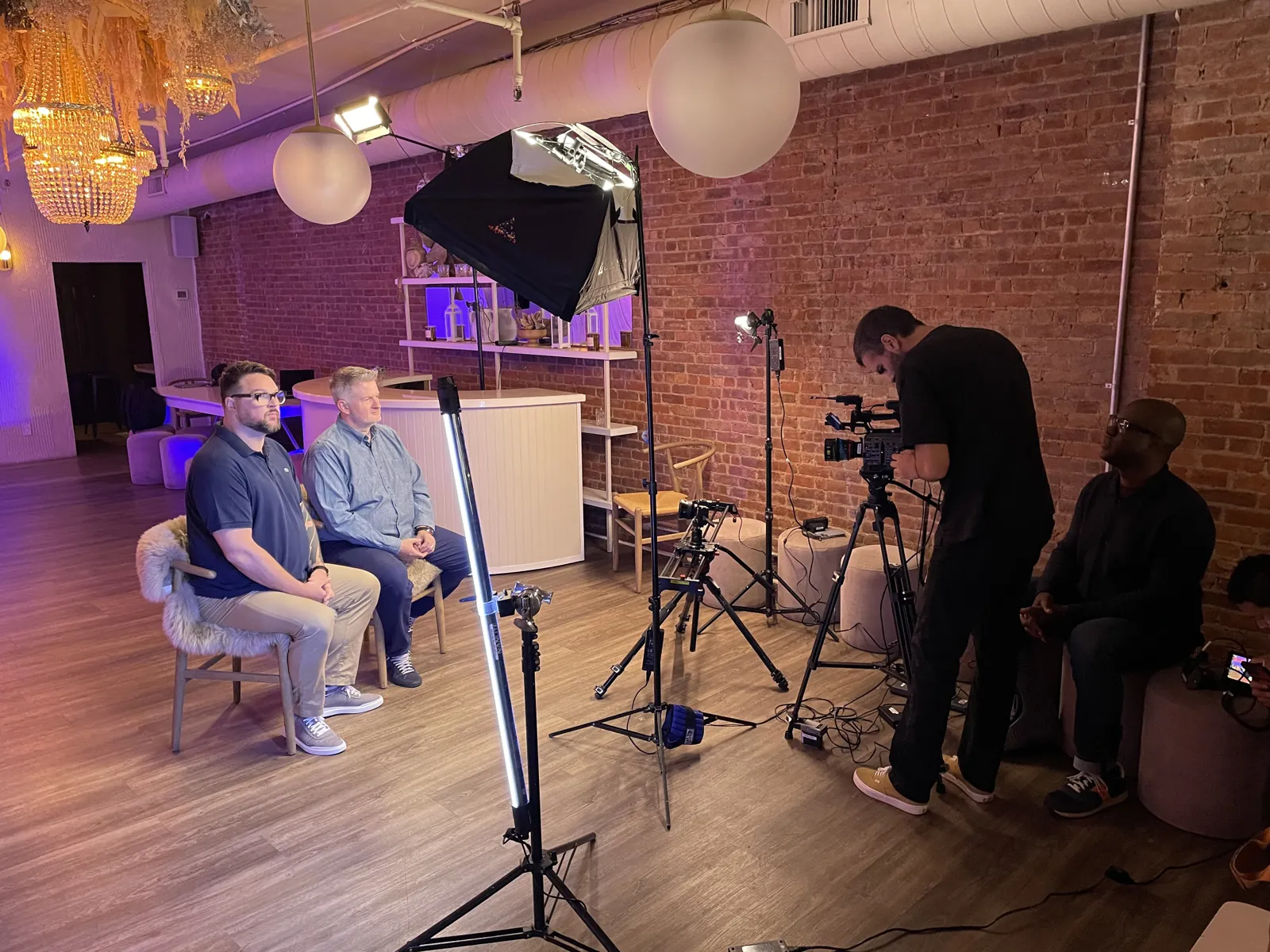
Photo by Transcendent Enterprise
Every week I read what's changing in our business and ask one question. What does it change about how we work on Monday? This week the answer came down to two things: trust and getting found. A new survey says a lot of people don't believe AI ads. YouTube opened its conversational search on phones. UK marketers reported their strongest budget quarter in two years. And YouTube Music started labeling songs made mostly with AI.
Here's each one, and what Transcendent does about it.
AI ads have a trust problem, so we film real people where credibility matters
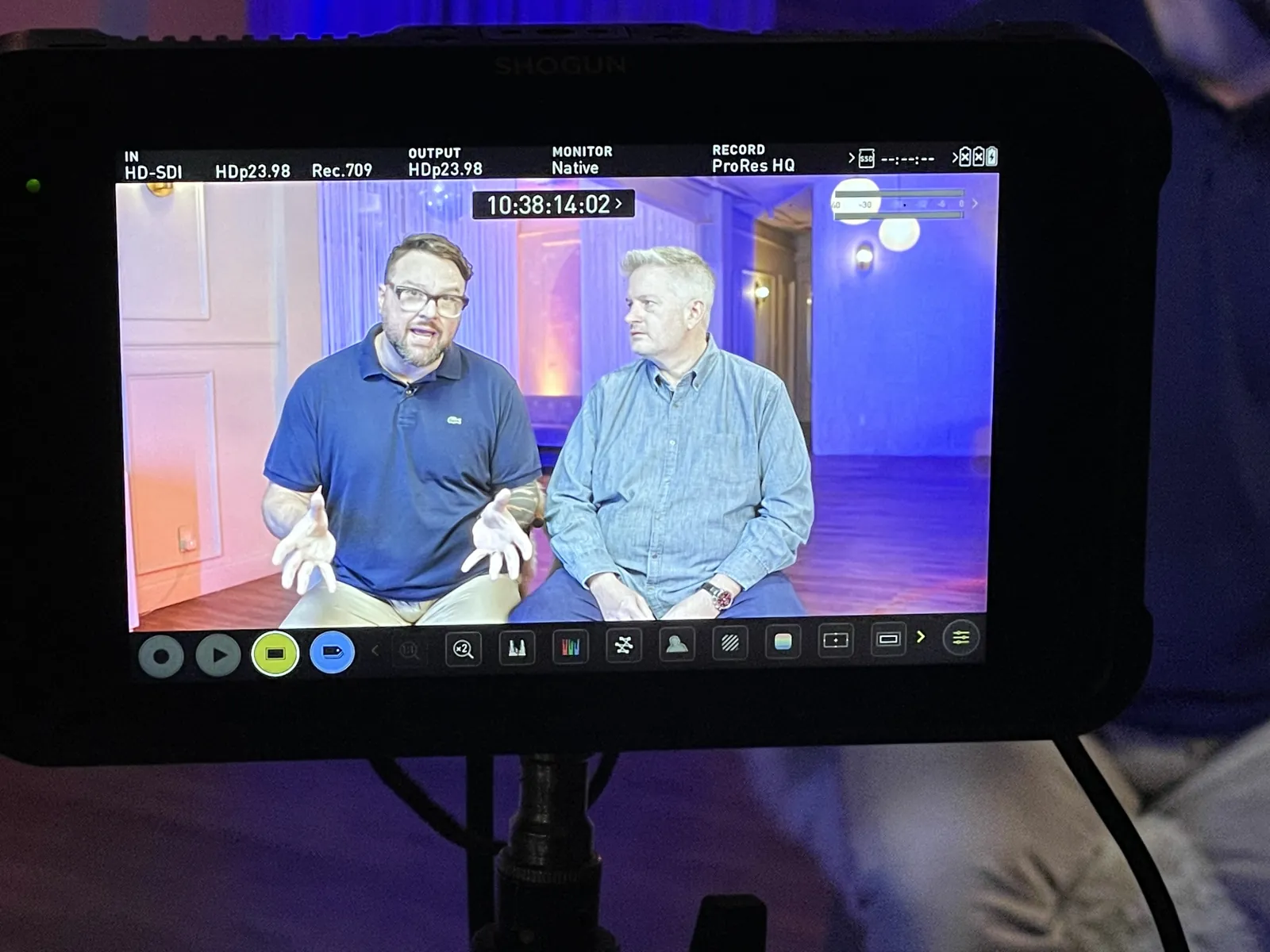
On October 16, Auros released a survey run by Talker Research. Of the 2,000 U.S. adults surveyed, 53% said they don't trust products advertised with AI to be described accurately. And 43% said they had felt duped by an AI ad before. The study also covered the U.K. and Australia, where distrust was even higher. Auros paid for the research, and it measures how people feel, not whether AI ads sell less. I'm not going to stretch it further than that.
But it matches what I see. A polished AI image can stop someone from scrolling and make them wonder if the product is real at the same time.
That's why the real footage we shoot works as evidence. A student explaining what she built. A researcher in the actual lab. A customer telling the story in their own words. You can't generate that and have it carry the same weight.
So here is how we split it on our proposals now. We use AI where it makes production faster and saves the client time, in editing, graphics and versions. We film real people, real products and real results wherever credibility matters. And we put that in writing, so the client knows which parts of the video are real and why. What we don't do is promise that AI, or authenticity by itself, guarantees better results. Nobody can honestly promise that. Our corporate video production work is built on this kind of interview and story footage.
Ask YouTube is on phones now, so a client video should answer a real question
In mid-October, YouTube expanded Ask YouTube, its conversational search, to phones in the U.S. It was already available on the web and on TVs. Instead of guessing keywords, a viewer can describe what they want and narrow it down with follow-up questions, the way they'd ask a person.
My read is that more people will search by describing a need. A video titled "Our Story" doesn't answer anything. A video built around "What do students actually build in this engineering program?" does. YouTube hasn't said any of this helps rankings, so I'm not claiming it does. It's just good sense to make a video easy to understand, for a person and for a search tool.
So when we deliver, the publishing details are part of the job. A client video can go out with a title written around the question it answers, a description that uses the words people actually say, accurate captions, and chapters that break a long video into answers someone can find. For clients who already have a library, we offer this as a small, separate publishing service on videos they've already made. It's the same thinking behind our video podcast production, where one long conversation turns into many answers people can search for.
UK marketing budgets rose, so we ask clients instead of assuming
On October 15, the IPA Bellwether report found that 25.6% of the UK companies surveyed raised their marketing budgets in the third quarter, while 11.3% cut them. That's the strongest balance since 2024. Events reached a nine-quarter high and video reached a two-year high. Those numbers compare how many companies are raising versus cutting, not how much more anyone is spending. And it's a UK survey. It doesn't tell me anything about the budget at a New York university or nonprofit.
What it does tell me is not to assume everyone is frozen. So this month we're asking our clients a simple question. What year-end or early-2027 story, event or fundraising campaign still needs production support? When there's a real need, we answer with a clearly scoped package that says what gets made and when it's delivered. We lead with the scope, not with a discount.
YouTube is labeling AI music, so we check every soundtrack before delivery
On October 14, YouTube Music started showing labels on songs made primarily with generative AI, for example a track where both the composition and the vocals were generated. YouTube says the labels draw on its music partners and its own detection tools, and that they'll expand to the main YouTube app. This is a platform transparency change, not a new law.
For a client, it means a viewer might see that the music under their brand film was made with AI. That should never be a surprise after the video goes live. And a label doesn't tell you whether a track is licensed for commercial use. Those are two separate questions, and both need an answer before delivery.
So we're adding a simple soundtrack check to how we deliver. For each final track, we want clear answers to four questions. Where did it come from, how is it licensed, was it made with AI, and has the client approved it? Before delivery, we also look at the upload disclosure rules for the platform the video is going to.
How we're producing for trust and discovery from here
Three rules came out of this week. We use real footage where credibility matters and AI where it saves time, and we tell clients which is which. Every video we deliver is set up to answer a question someone would actually ask. And we're building a soundtrack check into delivery, covering the source, license, AI status and client approval.
The platforms will keep moving. When they do, we'll write down what it changes about our work, here.
Clients ask us these questions about AI, search and music in video
Do you use AI in your video production?
Yes, where it saves time without replacing what makes a story believable. We film real people, products and results where credibility matters, and the proposal says which parts use AI.
Will AI-generated ads hurt my brand?
Nobody can promise that either way. A recent survey found that many people distrust products advertised with AI, which is why we recommend real footage for anything that needs to prove a claim.
How can we make our videos easier to find on YouTube?
Write the title around the question the video answers, use the words your audience uses in the description, and add accurate captions and chapters. We can do this for videos you already have.
Is AI-generated music safe to use in a client video?
Only if it's licensed for that use and the client has approved it. We check where a track came from, how it's licensed, whether AI was used and whether the client approved it, along with the platform's disclosure rules.