AI Costs, Event Content and Vertical-First Feeds: How We're Running Production This Month
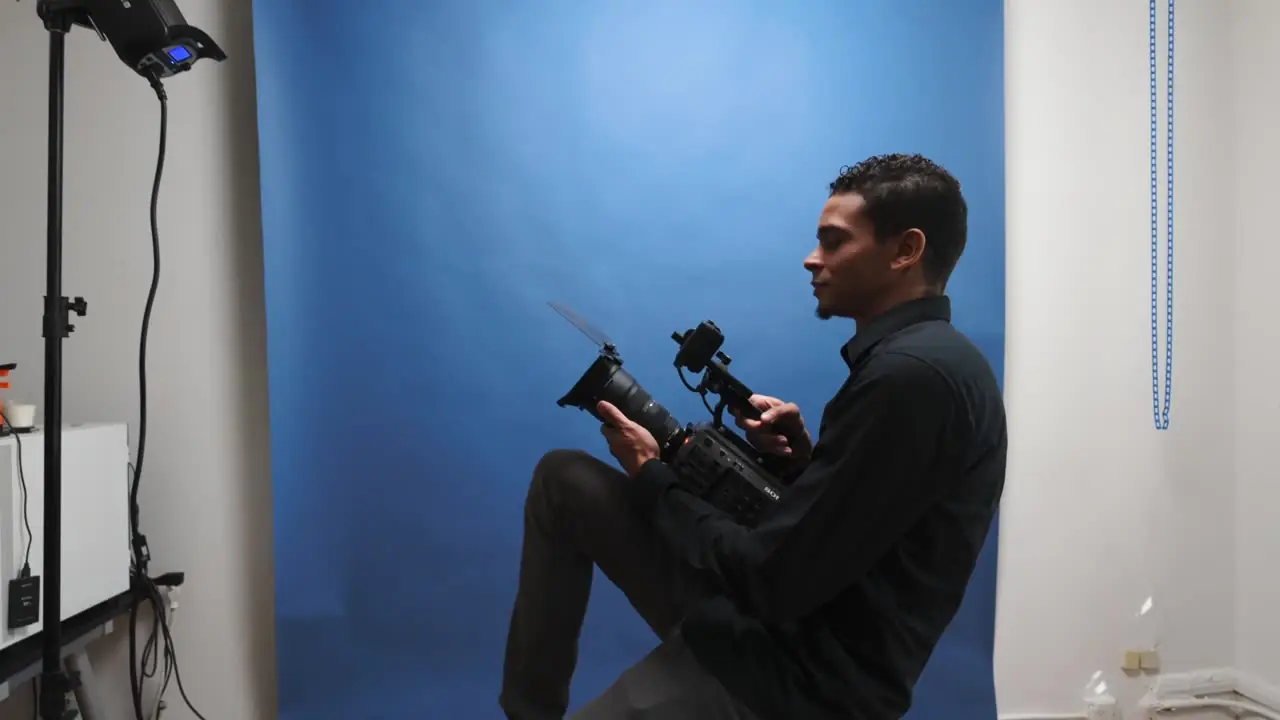
Photo by Transcendent Enterprise
Every week I read what's changing in our business and ask one question. What does it change about how we work on Monday? Most news doesn't. This week, three things did. An AI series put a real dollar figure on what AI video costs. Facebook started testing an app that opens straight into full-screen video. And Meta blocked ads that send people to TikTok.
None of these are predictions. They're how Transcendent produces now. Here's each one, and what we do about it.
AI video is faster, but it is not cheap and automatic
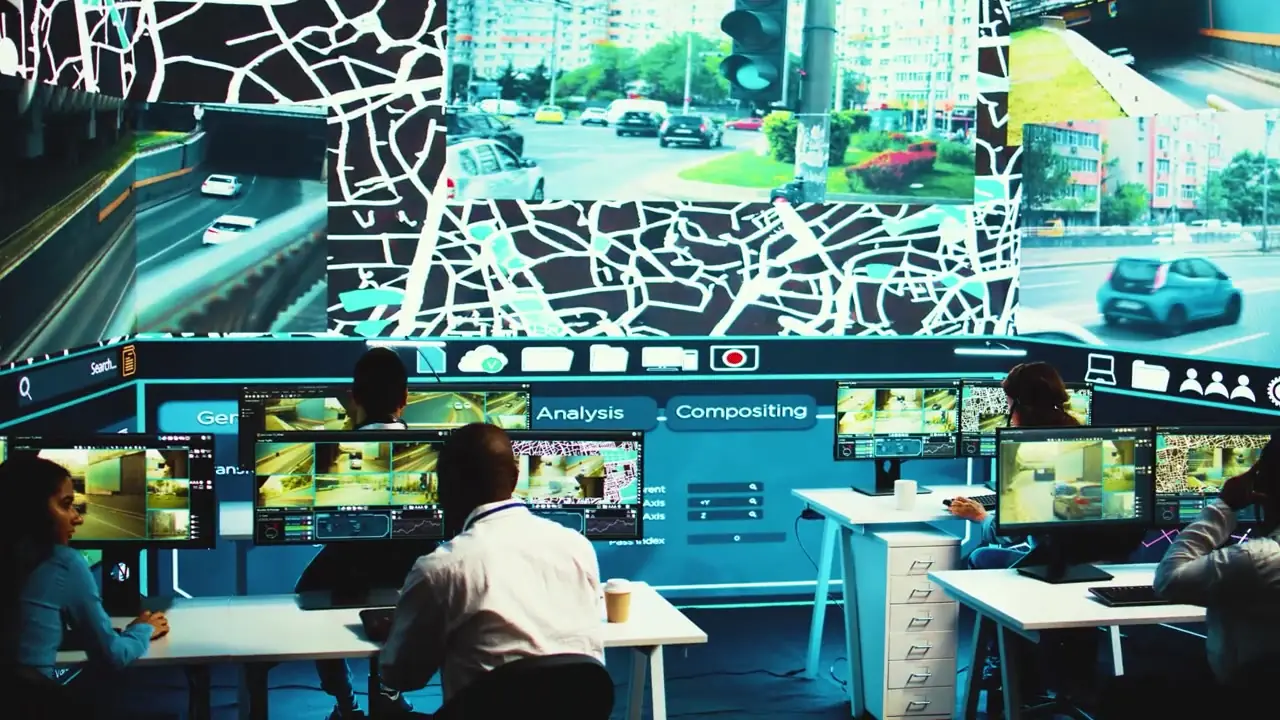
The creators of The Arc, an 83-minute AI-generated series, told The New York Times they spent about $38,000 in generation credits. Individual shots often took eight to ten tries before one was usable. There were no sets, no props and no actors. Those numbers come from the filmmakers themselves and haven't been independently checked, but they match the way AI costs behave.
AI doesn't delete the cost of production. It moves it. Instead of paying for a location and a large crew, you pay for software, repeated generations, a person with taste supervising every shot, editing and quality control. A shot that takes ten tries costs far more than one that lands on the first try, and you don't know which is which until you're in it.
So we price AI work the way we price a shoot. Every AI line on a Transcendent proposal is written the way we write a shoot: a flat rate that covers a set number of hours of labor, a stated number of generations, a revision limit, the music, model and commercial-use licensing, and a separate rate for shots that need heavy regeneration. The language we use is simple. It includes up to a stated number of generations, or a stated number of hours of AI-assisted development. Nobody gets an open-ended AI line from us, because open-ended is how the credits run away from everyone. Our virtual production page shows the kind of stage and AI-assisted work this pricing applies to.
A brand event is now a content factory, and we produce it that way
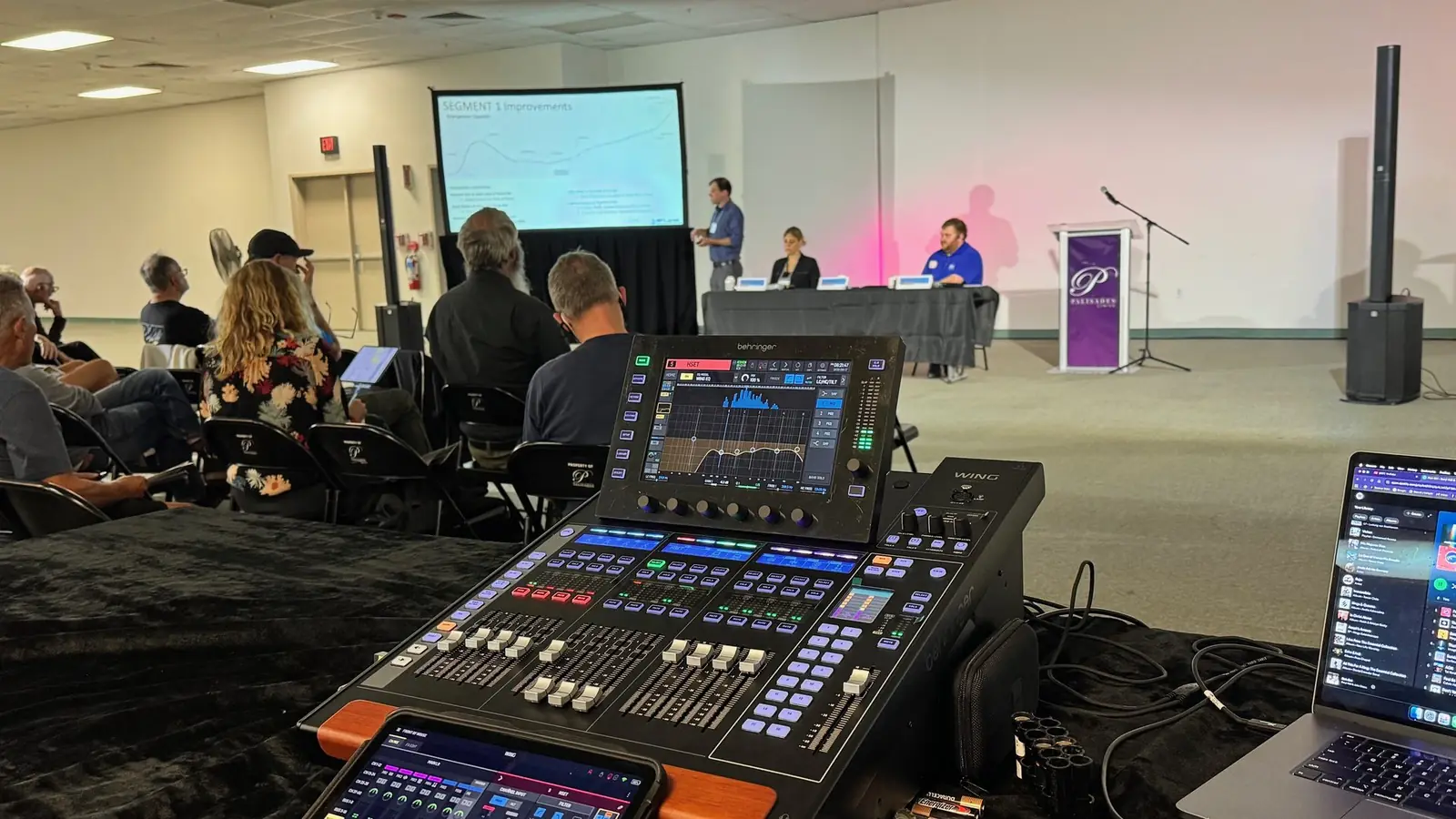
Brands like HBO, LinkedIn and Spotify now stage events for two audiences. One is the people in the room. The other is the much larger group that sees the photos, interviews, vertical clips and highlight videos afterward. The brands are betting the second audience is the bigger one, and we build the package for it.
That means the event itself is only half the product. If the only deliverable is a recording of the stage, most of what happened in that room never leaves it.
We don't sell event coverage. We produce an event content system, and it's the package we build around for corporate, nonprofit, higher-education and conference work. The package is event film and photography, three executive or attendee interviews shot in a quiet corner while the event is still running, six vertical social clips, and a same-day teaser the client can post that night. Within 24 hours there's a highlight edit, and behind it sits a labeled, searchable footage library the marketing team can pull from for months. That's how a single afternoon turns into a quarter of content, and it's why we're planned into the event instead of hired to stand at the back of it. Our corporate video production work is built on the same idea.
Vertical video is becoming the front door, so we plan the 9:16 frame before we roll
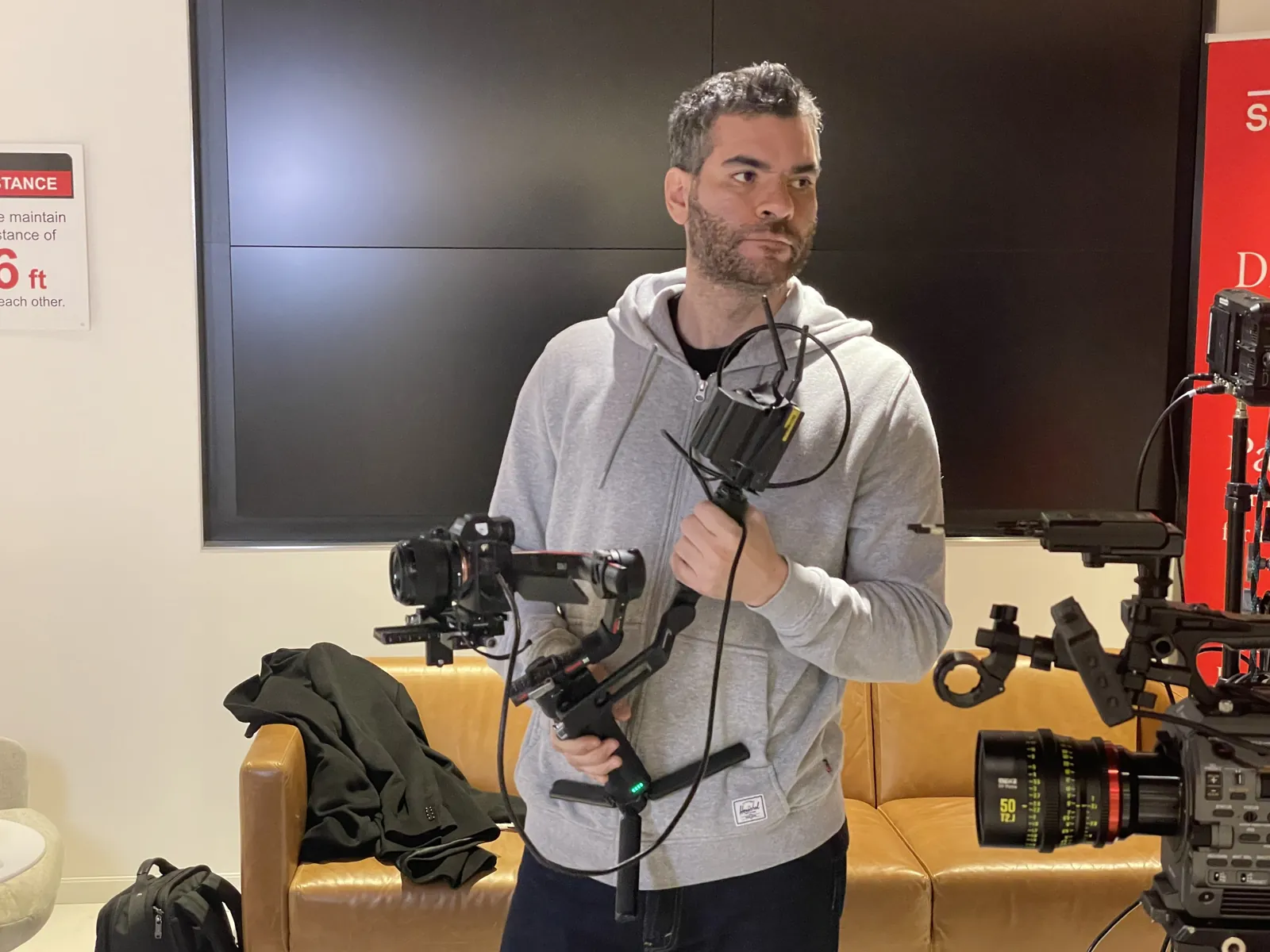
Meta is testing a version of Facebook that opens directly into full-screen video instead of the regular feed. The test is running in India. People in the test can switch back to the classic feed, and Meta has said the classic feed will stay available. MediaPost reports Meta plans to bring the test to the U.S. next year. That's a test, not a rollout, so I'm not going to tell you the feed is dead. I am going to tell you vertical video is no longer the version you make afterward.
The mistake I see most often is shooting a horizontal video and assuming every vertical deliverable can be cropped out of it later. It can't. When you cut a 16:9 frame down to 9:16, you lose two thirds of the picture. The second speaker on the panel is gone. The product on the table is gone. The title that was centered is now sitting in a different place.
So every Transcendent shoot that feeds social carries a vertical capture plan. Before the shoot day we mark which scenes get dedicated vertical takes. We frame the wide shots so the important person, product or action sits in the protected center. We capture short opening hooks that work in the first second of a feed. We record clean individual audio on every speaker so clips can be cut from anyone. And we design the vertical titles before production, not in the edit. We still shoot widescreen. We just stop assuming the crop will save us later.
Meta blocked ads that point to TikTok, so every campaign gets a native home
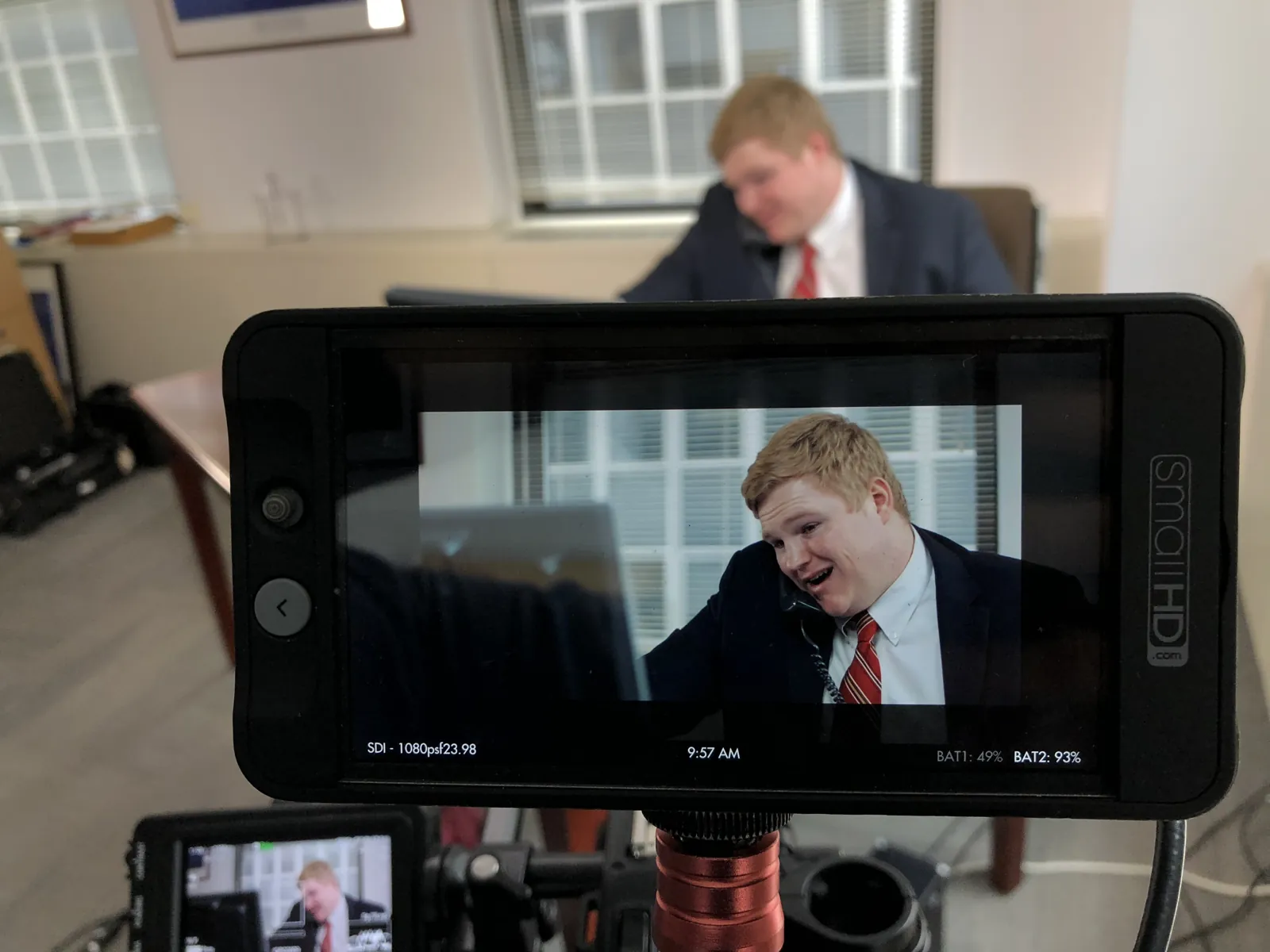
On October 8, Meta banned TikTok's parent company ByteDance from advertising on its apps in the United States and six other countries. The restriction also covers campaigns from other advertisers that link to TikTok or other ByteDance properties. In plain terms, a client can no longer assume it can buy an ad on one platform to build an audience on a competing one. Whatever the reason, the door between platforms just got narrower.
For us that settles the rule. Every campaign gets its own cut and its own landing spot for each platform. A Facebook or Instagram ad we cut sends people to the client's website, a landing page, or Meta-native content. It doesn't lean on TikTok to finish the job. And wherever we can, that landing page captures an email address or an inquiry, so the audience ends up belonging to the client instead of to the platform. On any campaign with paid ads on Facebook or Instagram, checking the destination links is now the first thing we do.
How we price AI video, package events and shoot vertical from here
Three rules came out of this week. We price AI work with generation allowances, labor, licensing and revision limits, never as an open-ended line. We sell the event plus the weeks of marketing material it generates, as one package. And we capture vertical on purpose and send paid traffic to destinations the client controls.
None of this is a trend piece. It's what's on our call sheets and proposals right now. When the platforms move again, and they will, we'll move with them and write it up here.
Clients ask us these questions about AI video, events and vertical production
How much does AI video production cost?
It depends on how many shots you need, how many tries each shot takes, and how much editing and licensing sits around them. We quote a set number of generations or hours, plus labor, licensing and a revision limit, so the number on the proposal is the number on the invoice.
Can you make vertical videos from our horizontal footage?
Sometimes, if the shot was framed with a crop in mind. We get much better results when we plan vertical takes before the shoot, so the key people, products and titles fit the 9:16 frame on purpose.
What do we get from an event besides the main video?
The event package we build around includes interviews, six vertical clips, a same-day teaser, a 24-hour highlight edit and an organized footage library, so the event keeps producing content for weeks after the room is empty.
Can we run a Facebook ad that sends people to our TikTok?
As of October 8, 2026, Meta blocks ads that link to TikTok or other ByteDance properties in the U.S. and several other countries. We point Meta ads to a page you control instead, and build the TikTok version natively.