4 Ways to Produce a Profitable Corporate Video
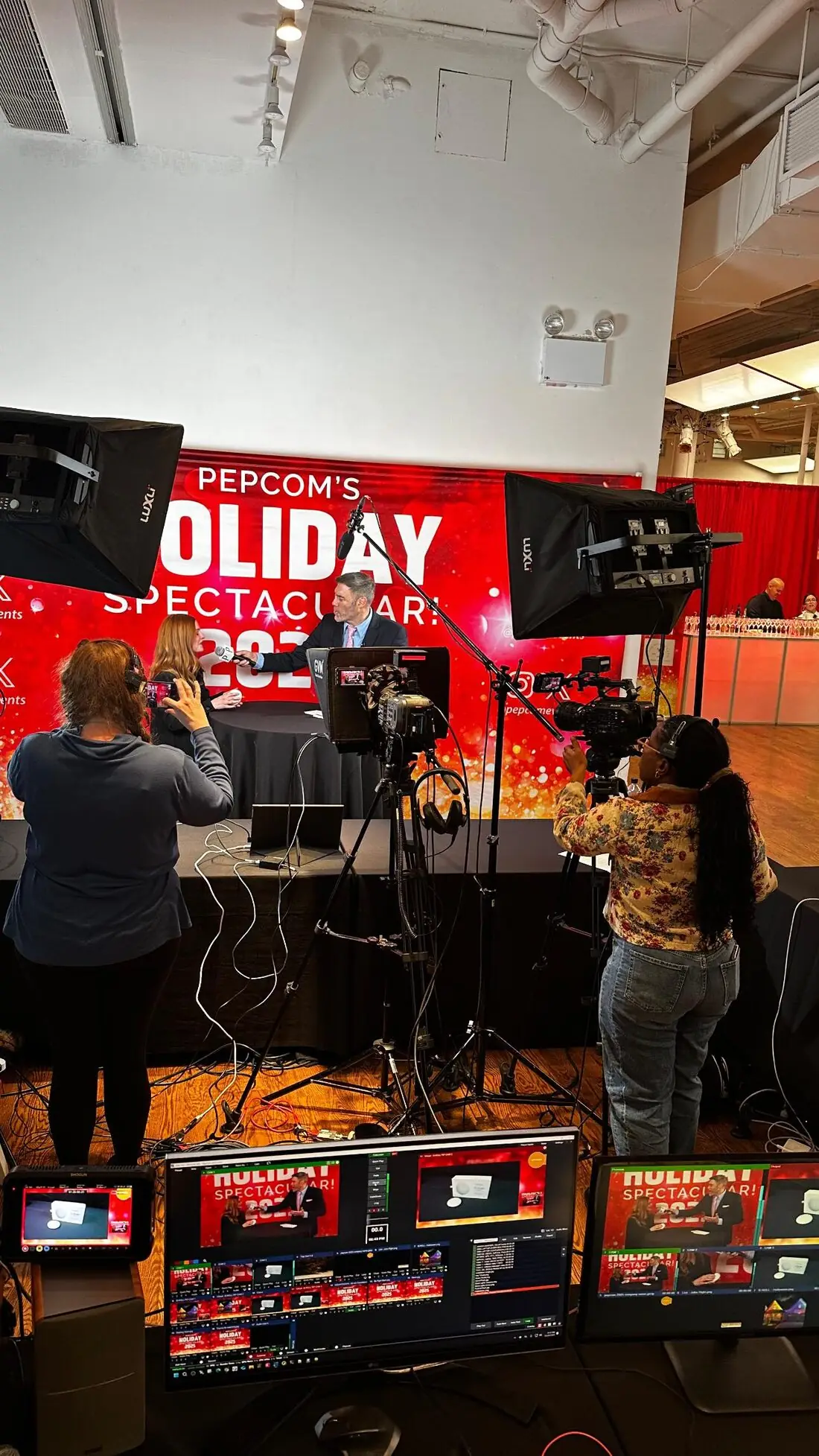
Hiring the right video team is worth the value — but the best way to get a return on your investment is to have a clear goal for your video, and to communicate it. Here are four goals to consider, and what each one demands.
1. Creating a brand awareness video
A brand awareness video is designed to increase recognition and understanding among target audiences, communicating your mission, values, and unique selling proposition in a creative, engaging way. It can increase brand recall, generate leads, drive website traffic, boost social engagement, and build loyalty.
Common formats include brand-story films, product demos, testimonials, and behind-the-scenes pieces. Whatever the format, keep your audience in mind: what are their interests and pain points, and what will actually resonate?
- Keep it short. Aim for 2–3 minutes at most.
- Use high-quality visuals. The craft is the credibility.
- Tell a story. Stories are what people remember.
- End with a call to action. Tell viewers exactly what to do next.
2. Creating a video to raise money
Fundraising films live or die in the first few seconds. Start with a strong hook — a powerful statement, a compelling question, or a striking statistic. Then tell a clear, concise story about the people or cause you're raising for, built on personal stories that connect emotionally. Close with a call to action and make donating effortless.
Be authentic: audiences can spot a performance. Let the passion for the cause carry the piece.
3. Creating social content from event footage
Your event is a content engine if you plan it that way. Decide your goals before the cameras roll, then capture with the full lifecycle in mind: pre-event teasers, live coverage of speakers and moments, post-event recaps and interviews, behind-the-scenes glimpses, and attendee-generated content.
Post consistently, engage with your audience, and use analytics to see what's working. One well-covered event can feed weeks of channels.
4. Documentation video services
Documentation videos capture processes, procedures, and events — for training, onboarding, and compliance. Explainers, how-tos, demos, and testimonial formats all apply. They improve training efficiency and reduce onboarding costs, and they're often the most quietly profitable video a company owns.
The production secrets companies don't always tell you
- Collect your raw footage as soon as you can — you paid for it, and you have a right to it.
- Ask what equipment your team uses, and view as many samples as possible.
- Always outline an agenda and give a shot list.
- Ask about current capacity — can they genuinely fit your project into their workflow?
- A great video takes work from both the client and the production company.
- Don't expect a movie if you're not paying for a movie.
- It can probably be done cheaper — but you'll pay somewhere else: time, quality, or security.
- Bring plenty of reference videos you like. It's the fastest way to an accurate cost and managed expectations.
And set a clear deadline. Your production partner has to plan their pipeline around it — and you should have a plan to use the finished video as widely as possible the moment it's delivered.