What a Modern Video Production Company Looks Like, and Why One Shoot Isn't One Video Anymore
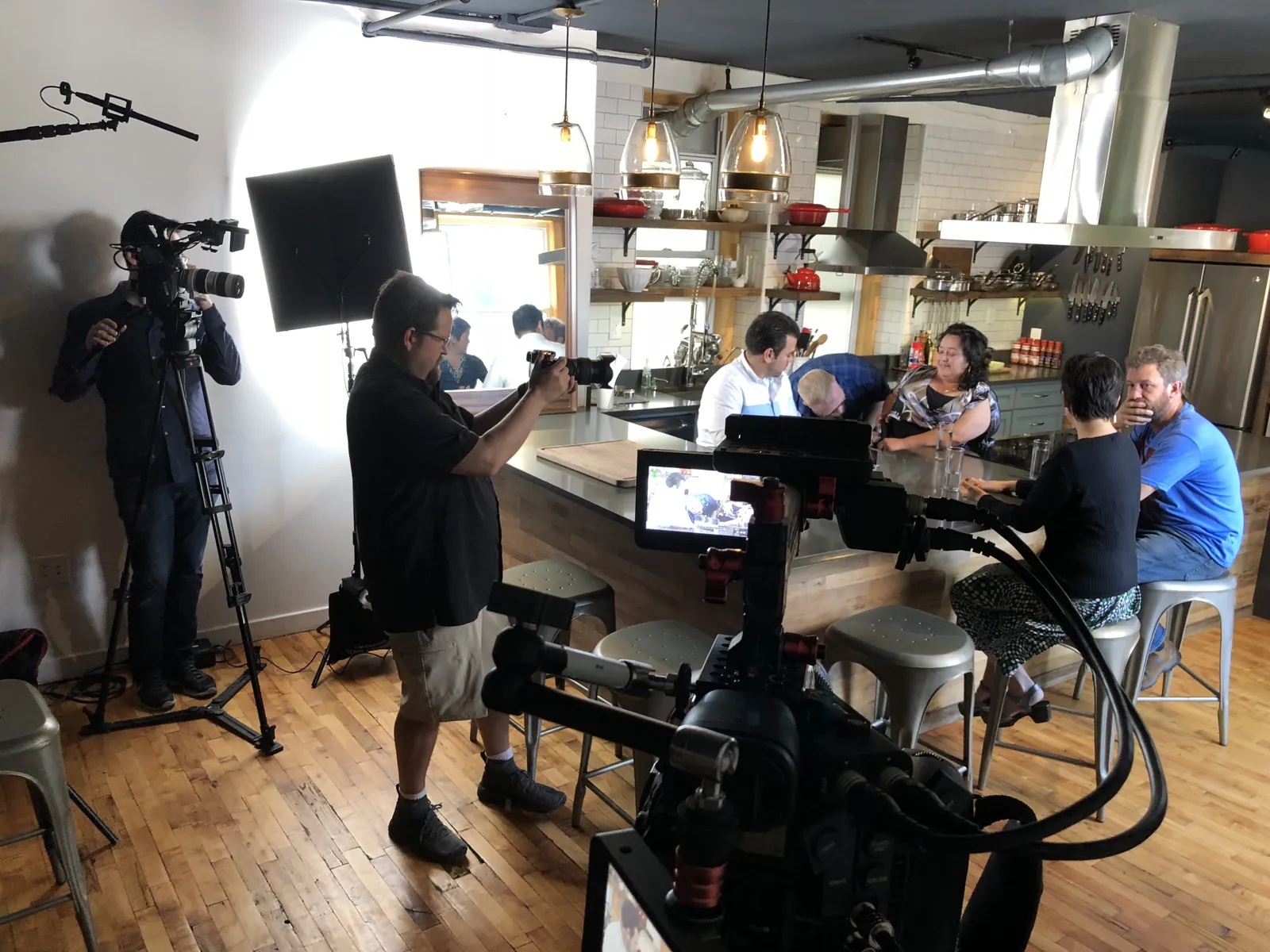
Photo by Transcendent Enterprise
In 2004, finishing a video was the milestone. You shot it, you edited it, you put it on your website or YouTube, and that alone paid off. Nobody asked me for clips. Nobody asked for a detailed transcript. One video served its purpose, and everyone was happy to have it done.
When I film an event now, the client doesn't need one video. They need multiple videos, clips cut for YouTube Shorts and TikTok, sometimes a podcast episode, and a detailed transcript they can pull from. It's the same day of filming, but a lot more work on the back end.
I've been producing video in New York for more than 20 years. It was a lot simpler in 2004, and that change is a big part of why the kind of partner you hire matters more than it used to.
A video production company used to be done when the video was done
Back then the whole job was getting a project out. Getting it shot, cut and delivered was the finish line. If it went up on your site and your audience saw it, you got real value out of it.
Today the finished edit is closer to the starting line. The workflow is a lot more detailed, with more formats, more platforms and more decisions about what goes where. That's why you need a partner who can walk you through the details. It means more than pointing a camera. It means making sure one shoot turns into a body of work.
Modern video production starts with the story, before the camera comes out
The most important mistake I see clients make is showing up to the shoot without their foundational story organized. They know they want a video. They're not sure what it's supposed to do.
I think this is the most important part of the whole process. When the story is clear before we film, we can connect the whole frame to your goals. The interview questions, the b-roll, the clips we'll cut later and the platforms they'll live on all point in the same direction. When the story isn't there, you get nice footage that doesn't add up to anything. This is how we plan our corporate video production shoots, and it's the part I'd never skip.
Making videos for shorts, thumbnails and new platforms
Once the story is set, the question becomes where it goes. In my experience, marketing avenues get burnt out over time and new ones open up. Your message doesn't have to change when that happens, but the way you deliver it does. I think of it as the same voice in a different tone for each platform.
Right now that means short-form video. Clients who've put real effort into shorts, and paid close attention to their thumbnails, have had more success for it. Some of them run their messaging through an AI tool to help write descriptions and find the best titles. Those little details are easy to skip, and they're worth paying attention to.
How we pick clips from a long interview or podcast
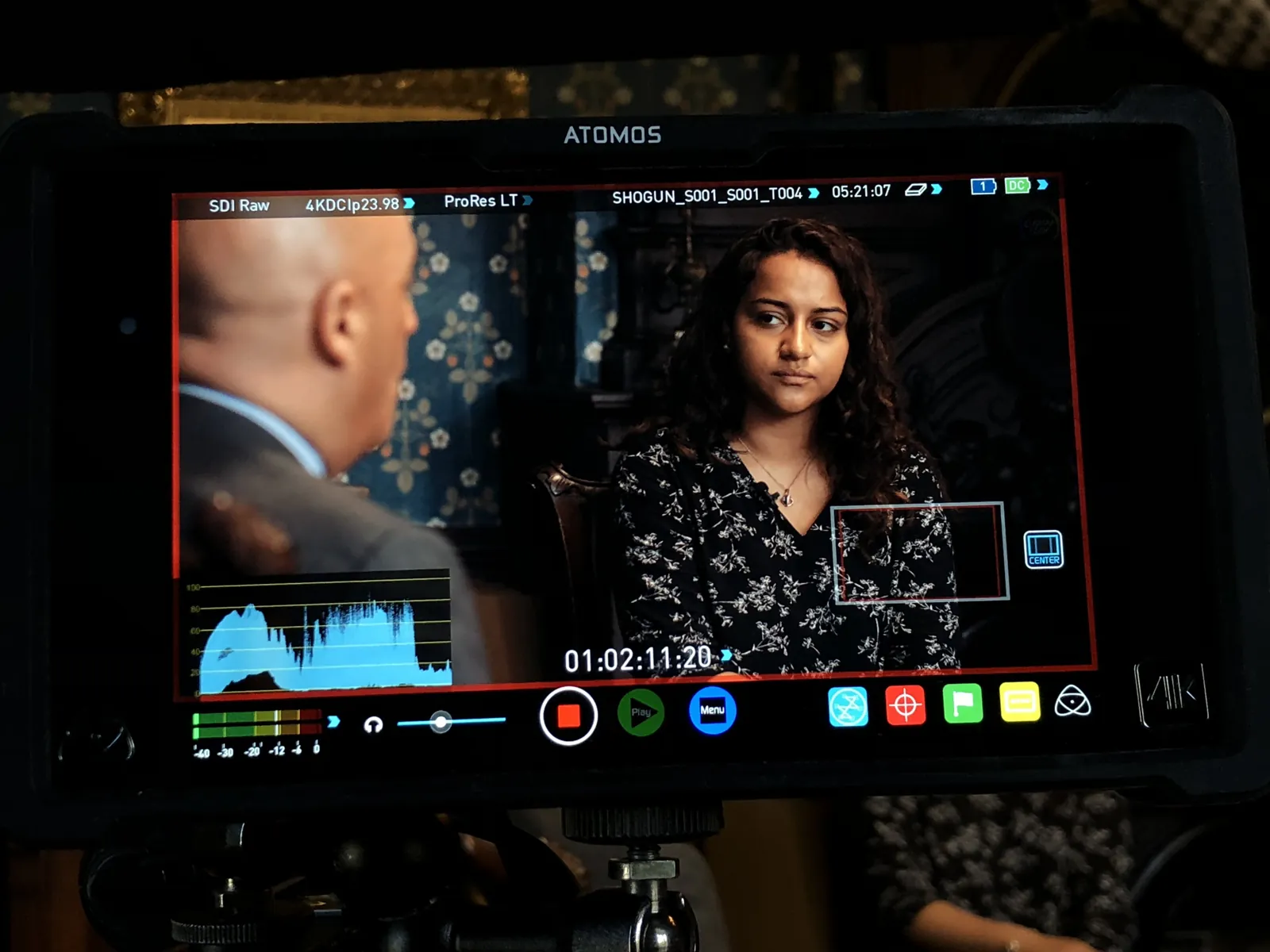
When an hour-long interview or podcast needs to become a stack of shorts, I start with the transcript. I'll run it through ChatGPT or Claude and ask two things. What's in the news or the public conversation right now that we could tie into the title or description? And which moments are most relevant to this client's niche?
You can't just post any clip. A clip has to be something your specific viewers would stop for. If it doesn't attract your audience, it doesn't matter how good the moment felt in the room.
Why a corporate podcast works now when it wouldn't have before
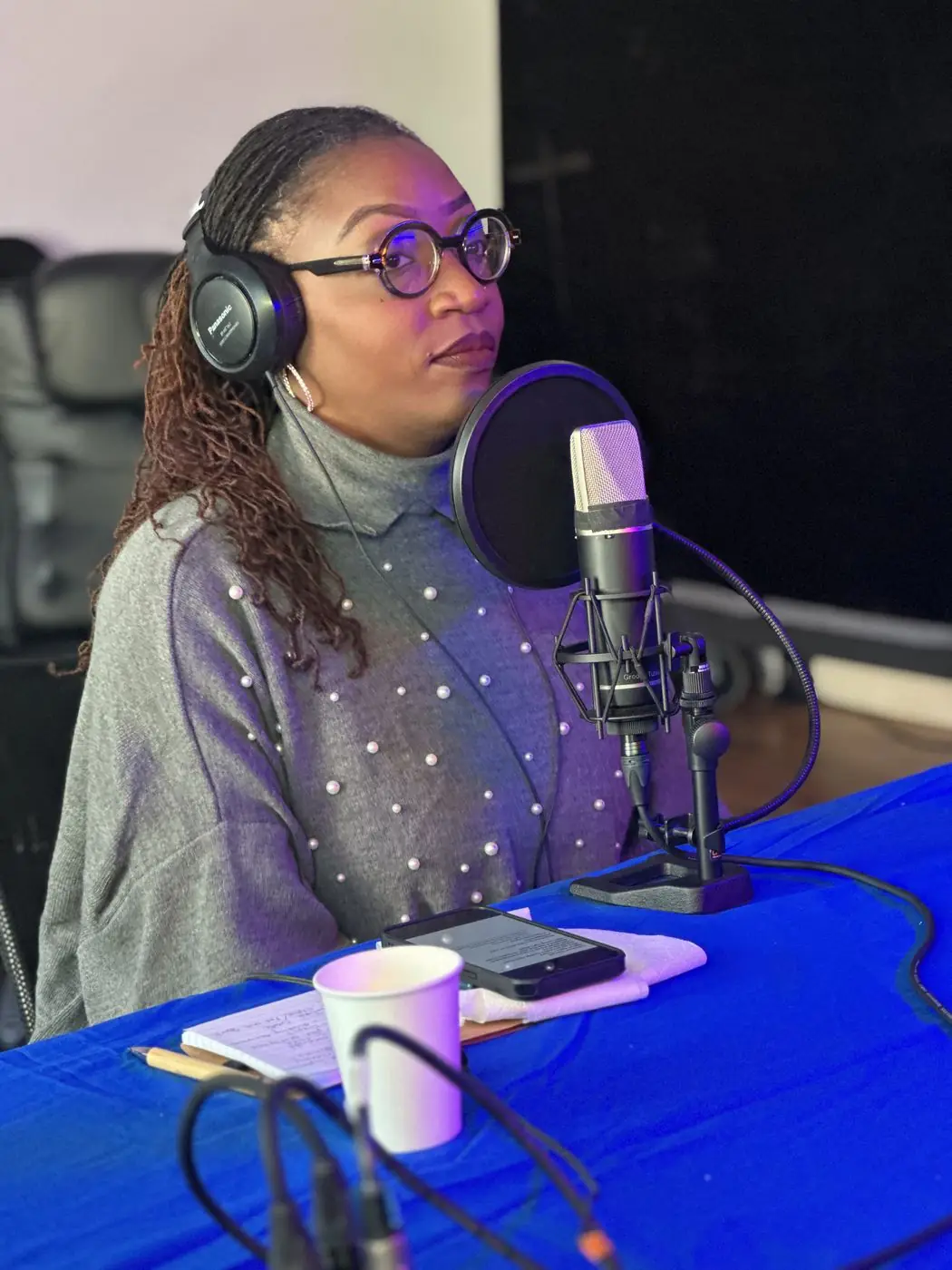
People aren't listening to the radio the way they used to. Radio used to be the podcast. Now people choose long-form content they can listen to without interruptions, on their own time.
That's good news for companies that know their stuff. A podcast lets your experts go deep into very niche details. If someone is really trying to solve the problem your company solves, they'll happily sit through a long episode to learn. Then the clips from that episode go out on your other platforms and bring new people back to the full conversation. The long form and the short form feed each other. Our video podcast production work is built around that loop.
Views vs subscribers, and which one turns into sales
There are a lot of fluff views and fluff impressions out there. They look good in a report and don't do much else. Views are mostly an ego thing.
I've worked with household names like 50 Cent, Keyshia Cole, Mariah Carey and Nick Cannon. I've also watched brands align themselves with celebrities like that, get the views, and still have a hard time turning those views into money. What converts is being genuine and authentic about what you offer, to the people who actually need it.
So I'd rather a client have a smaller audience that subscribes, comes back and trusts them than a big number that never buys anything. Finding your niche audience matters more than reach. Fewer views are fine when the right people are watching.
Video distribution matters as much as the shoot
You can't just shoot the video and post it once. It needs to go out on several streams, across your different socials and your email list. It's also worth sending your strongest pieces back out to your audience a couple of times a year to see if they land differently the second time.
The shoot is only part of the job. Getting it in front of the right people takes just as much work, and it's easy to underestimate.
Why you shouldn't hand your company video to an intern
A lot of companies wonder why they can't just hand the phone to an intern. The short answer is experience. Interns don't know what they don't know, and when you manage that work, you end up almost doing it yourself to get it right.
That said, you can learn a lot from an intern. It works best as a collaboration and a real conversation, not a handoff.
What I got wrong about video marketing
For a long time I thought you do one thing and it works. I thought one great video or one campaign would be enough. I'm learning that it's a marathon, not a sprint. It takes consistency, and you have to be prepared to keep running.
I also thought that because I run a production company, everything I put out had to be perfect. That's not true either. It's more important to get the information out, and make sure it's rich in information, than to polish it forever. I still catch myself judging my own work too hard before I post it. Sometimes you just have to put it out.
Questions people ask about video production companies
How many videos should one shoot produce?
It depends on the goal, but it should almost never be one. A single event or interview day can usually feed a main edit, several shorts, clips for your socials and a transcript you can pull quotes from. Planning that before the shoot is what makes it possible.
Should I use AI to write my video titles and descriptions?
I think it's a useful tool for testing options and spotting what's in the public conversation. It works best when a person who knows your audience makes the final call.
Do views or subscribers matter more?
For a business, subscribers. A smaller audience that trusts you and comes back is more likely to become customers than a large number of one-time views.
Does a company really need a podcast?
Not every company. But if you have experts who can go deep on a problem your customers care about, a podcast gives them the room to do it, and the clips extend its reach everywhere else.