What Druski Hosting SNL Teaches CMOs About Creator Partnerships
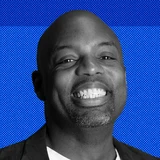
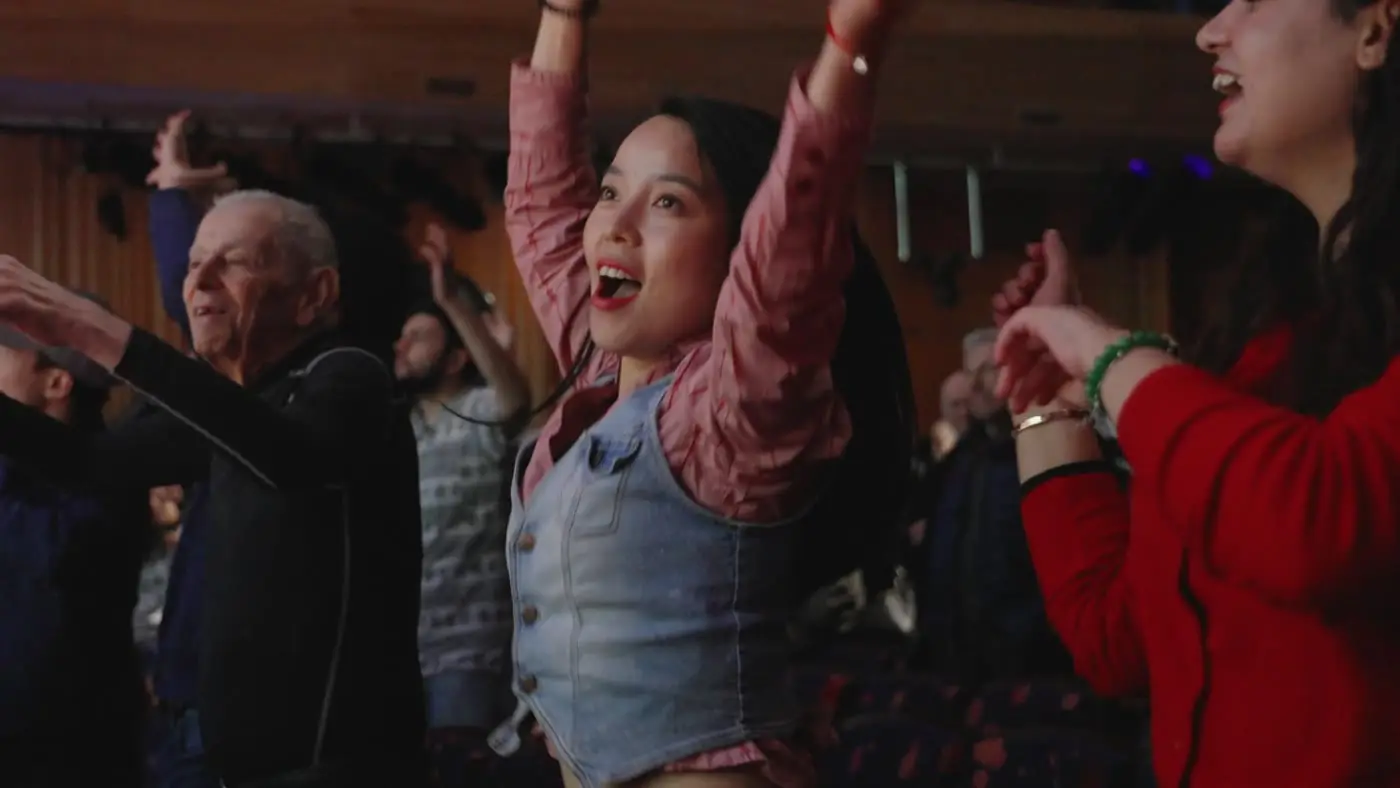
Photo by Transcendent Enterprise
On November 7, Saturday Night Live did something it had never done in 52 seasons. It let a digital content creator host the show. That creator was Druski, whose real name is Drew Desbordes. He came up doing Instagram Live and sketch videos, and he built whole franchises like Coulda Been Records and Coulda Been Love on his own channels.
I watched it the way I watch everything now, as a producer and a business owner. My takeaway wasn't really about comedy. It was about leverage. SNL is a 52-year-old institution, and it borrowed the audience of a guy who built his following on his phone. The numbers say it worked, and I think every CMO and marketing lead should study how they did it.
Druski's SNL ratings show who got the most out of the deal
According to TheWrap, the episode drew 5.6 million viewers across NBC and Peacock, the most SNL has had in two years. It was the show's best night with adults 18 to 49 in two years and its best with viewers 18 to 34 in more than four. It became the most-watched SNL episode ever on Peacock, and clips from the night pulled 424 million views across YouTube, TikTok, Instagram, Facebook and X in three days.
The 18 to 34 number is the one I keep coming back to. That's the audience every network and every brand is fighting for, and Druski brought it with him. He even said so in his monologue, calling himself the first "TikTok-and-Instagram-and-YouTube-star" to host the show.
Druski got something too. His Netflix series Collect and Praise premieres in December, and the SNL stage put him in front of people who had never heard of him. So both sides won. But SNL got a younger audience it had been chasing for years, and it got it in one night.
Who decided to put a creator on SNL
SNL hasn't said publicly who pushed for this booking. Lorne Michaels created the show and still runs it, and the press coverage points to him. Matt Belloni at Puck, who broke the story in October, called it a big milestone for Lorne Michaels and the show.
It didn't come out of nowhere either. SNL has been pulling cast members from the internet since Andy Samberg and The Lonely Island in 2005. Putting a creator in the host's chair was the next step in a strategy that was already in motion. Tubefilter pointed out that SNL has been chasing viewers on YouTube for years, and booking a creator like Druski was a sure way to push those numbers higher.
How SNL used to work with celebrities, and why Druski was a pivot
For most of its history, SNL ran on a simple model. A movie star, a musician or an athlete hosted the show, usually while they had something to promote, like a film, an album or a big game. The celebrity got a week of national attention, and SNL got a famous face to sell the episode. Brands have worked the same way for decades. You pay a celebrity to stand next to your product and hope some of that fame rubs off.
That model trades on fame. In my experience it gets attention, but it doesn't always turn into real followers or customers. I've seen brands line up with big names, and the views came in but the conversions were harder to get.
The Druski booking flipped that. SNL didn't book him because he was the most famous person available. It booked him because he owns an audience SNL was missing, people who live on their phones and might never turn on NBC at 11:30 on a Saturday night. Instead of the host borrowing SNL's stage, SNL borrowed the host's audience. And instead of the clips living only on SNL's channels, they were shared with his. That's the pivot every brand should be paying attention to.
How SNL and Druski partnered on YouTube
This is the move I want marketing people to notice. A few days before the show, YouTube itself promoted the episode on its official blog. It pointed out Druski's 6 million subscribers and nearly 2 billion views and told fans to watch the clips on SNL's YouTube channel after the show.
Then, when the clips went up, most of them were credited on YouTube to "Saturday Night Live and Druski." They went out as a collaboration between the two channels, with his name on them, in front of his audience. That's a real partnership, not a guest spot.
Within four days, the night's biggest uploads on SNL's YouTube channel looked like this:
- Dru Can See Everything, about 6.4 million views
- Bubu Mobile, with Marcello Hernández, about 4 million
- Washington in Focus, about 2.5 million
- Druski's monologue, with Emma Stone, about 2.2 million
- Proposal, about 2 million
Add the rest of the night's sketches and it's more than 21 million views on SNL's YouTube channel alone in four days. If you missed the episode, Complex has a rundown of every sketch and Boston.com collected the clips in one place.
The sketches that traveled were built around what Druski already does
The biggest sketch of the night was Dru Can See Everything, a parody of the Elizabeth Holmes documentary You Can See Everything. Druski plays the filmmaker investigating Holmes, played by cast member Jane Wickline. Then he goes in too deep and shows up in his famous prosthetic makeup as his own version of Holmes. That character transformation is exactly what made him famous online, and SNL let him bring it to their stage.
The comments tell the same story. Under the monologue, one fan wrote that they'd watched him go "from IG live streams to hosting snl." Another wrote, "Whoever his manager is he deserves an award." Under Proposal, someone said SNL needs to offer him recurring hosting gigs. Those are fans of the creator showing up on the institution's channel.
The comments also lifted SNL's own people. Under the Holmes sketch, viewers wrote that "dru is actually a very good actor," and just as many praised Jane Wickline's performance. The partnership put SNL's cast in front of a new audience too.
It wasn't all praise, and you should know that. The A.V. Club gave the episode a C+ and called it middling. That's fine. A partnership like this isn't built to please every critic. It's built to reach people who weren't watching before.
What CMOs should take from SNL's creator collaboration strategy
I've produced video for brands, universities and nonprofits since 2004. The old model was simple. You made a commercial, you bought the airtime and you hoped people watched. SNL had every reason to play it safe. It has history, prestige and a stage everybody wants, and it still went and borrowed reach from a creator. If they'll do it, your company can too.
Borrow an audience instead of just renting an ad. An ad buys you impressions. A creator brings a community that already trusts them. SNL didn't need Druski's money. It needed his audience and his credibility with people under 35.
Let the creator be the creator. The strongest piece of the night was built around the thing Druski is already known for. If you bring in a creator and force them into your corporate script, you lose the very thing you brought them in for.
Co-own the distribution. Those clips went out under both names. Plan from day one how the content lives on the creator's channels and yours, and who posts what and when.
Build the long tail. The live broadcast was one night, but the clips will keep getting views for months. We plan every event and shoot this way now, with the one shoot, many deliverables approach, so the clips and highlight edits are mapped out before the cameras roll.
Think outside the box about who your Druski is. For a university, it might be an alum with a big TikTok following. For a nonprofit, it could be someone in the community with a real voice. For a company, it might be a niche podcaster your buyers already listen to, or the employee who explains your industry better than your ads do. They don't have to be famous. They have to be trusted by the people you want to reach.
How a creator collaboration can work for your brand
You don't need SNL's budget to do this. A creator interview at your event, a co-hosted video podcast episode, or a live panel streamed on both your channel and theirs can follow the same playbook. We produce the podcasts, livestreams, panels and event content that these collaborations run on, and we cut them into the short clips that travel.
SNL just showed that even the biggest stage in comedy gets better when it brings a creator in. The question for your brand is who you're going to bring in.
Marketing leaders ask us these questions about creator partnerships
Who was the first digital creator to host Saturday Night Live?
Druski, born Drew Desbordes, hosted on November 7, 2026, with The Strokes as musical guest. He was the first host whose fame came mainly from social media and YouTube.
How many people watched Druski's SNL episode?
About 5.6 million viewers across NBC and Peacock in live and same-day viewing. That was SNL's biggest audience in two years and its best 18 to 34 rating in more than four years.
What is a YouTube collaboration upload?
It's one video credited to two channels, so it shows up for both audiences. Most of SNL's Druski sketches are listed on YouTube as "Saturday Night Live and Druski."
How should a brand choose a creator to partner with?
Start with who your audience already trusts, not who has the biggest number. Make sure the creator's style fits the project, and plan how both sides will share the content before you film.