Shoot Once, Test Many: The Video Services We're Adding as AI Changes Ads and Search
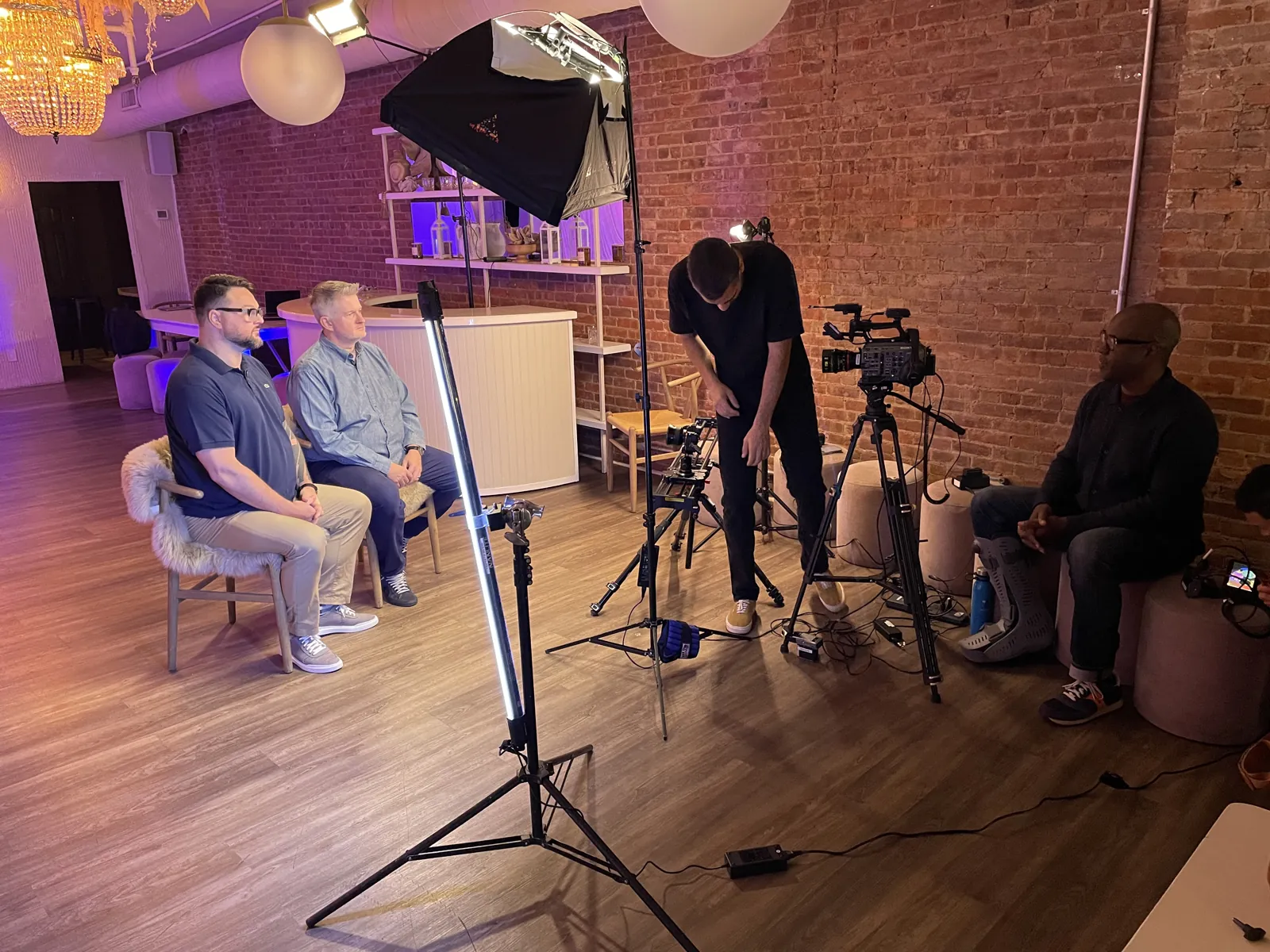
Photo by Transcendent Enterprise
Every week I read what's changing in our business and ask what it changes about the work we do for clients. This week the answer was clear. Clients need a strong library of real footage that can turn into many ads, episodes and searchable answers. So we're not just selling the shoot anymore. We're selling the shoot plus the system that keeps it working.
Here's what happened, and the services we offer because of it.
AI ad tools can now build the variations, so we focus on what goes into them
On October 22, the Australian company Cuttable raised A$20 million and relaunched its platform. It reads a brand's ad results, decides which ads to make next and builds Meta and TikTok ads automatically from photos and footage the brand already has. The company also publishes performance numbers. Those are its own claims, and I won't promise them to anyone.
What it tells me is simple. Software will keep getting better at resizing, captioning and rearranging footage. That part of editing is getting cheaper fast. What software can't do is decide the concept, get a nervous executive to open up in an interview, film the product so it actually looks good, or figure out which message is worth testing in the first place.
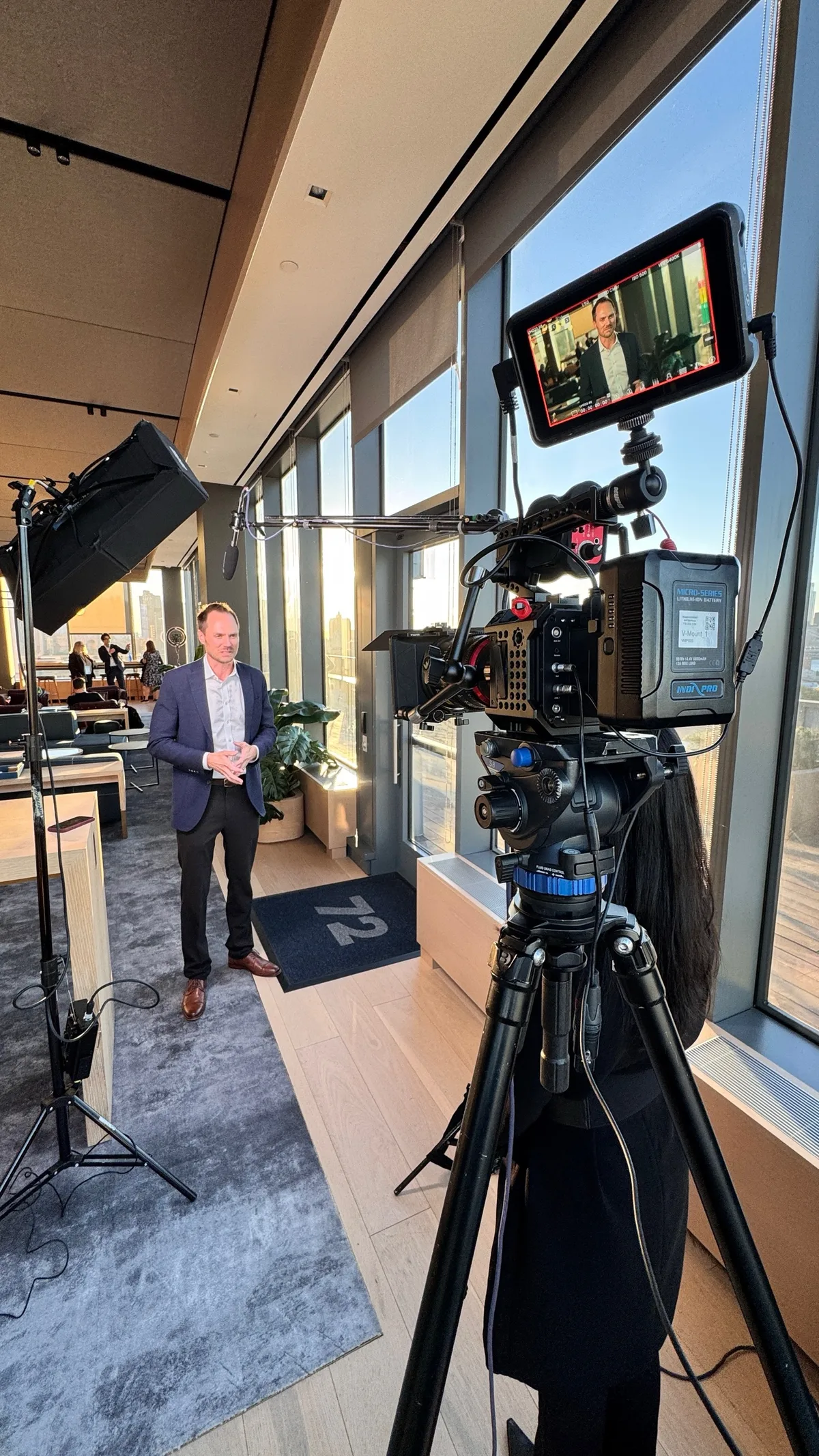
So here's our Shoot Once, Test Many package. One production day. A master library of organized, labeled footage. Three creative concepts. And 10 to 20 lightweight ad variations built from that library. Some of those versions can come from automation. We control the strategy and the quality, and we look at the results with you to plan the next shoot. It builds on the way we already run corporate video production, where interviews and real people carry the story.
Meta ads are reaching more people and costing more, so we build testing into the plan
In its third-quarter results on October 21, Meta reported that ad impressions grew 10% year over year and the average price per ad rose 14%. That's an average across Meta's whole business. It doesn't mean every advertiser's costs went up 14%. But it does mean paid reach isn't getting cheaper, and putting a whole budget behind one untested video is harder to justify.
That's why we now offer a testing plan with our social video work. Before we shoot, we agree on three opening hooks, two calls to action, and vertical, square and widescreen versions. After launch, we do a 14-day review of how each version performed. Everything gets defined up front, so testing stays a plan and doesn't turn into endless revisions. If you're planning vertical clips, our post on vertical-first feeds covers how we capture for them on the shoot day.
Big organizations are turning their experts into shows, so we offer a recurring series
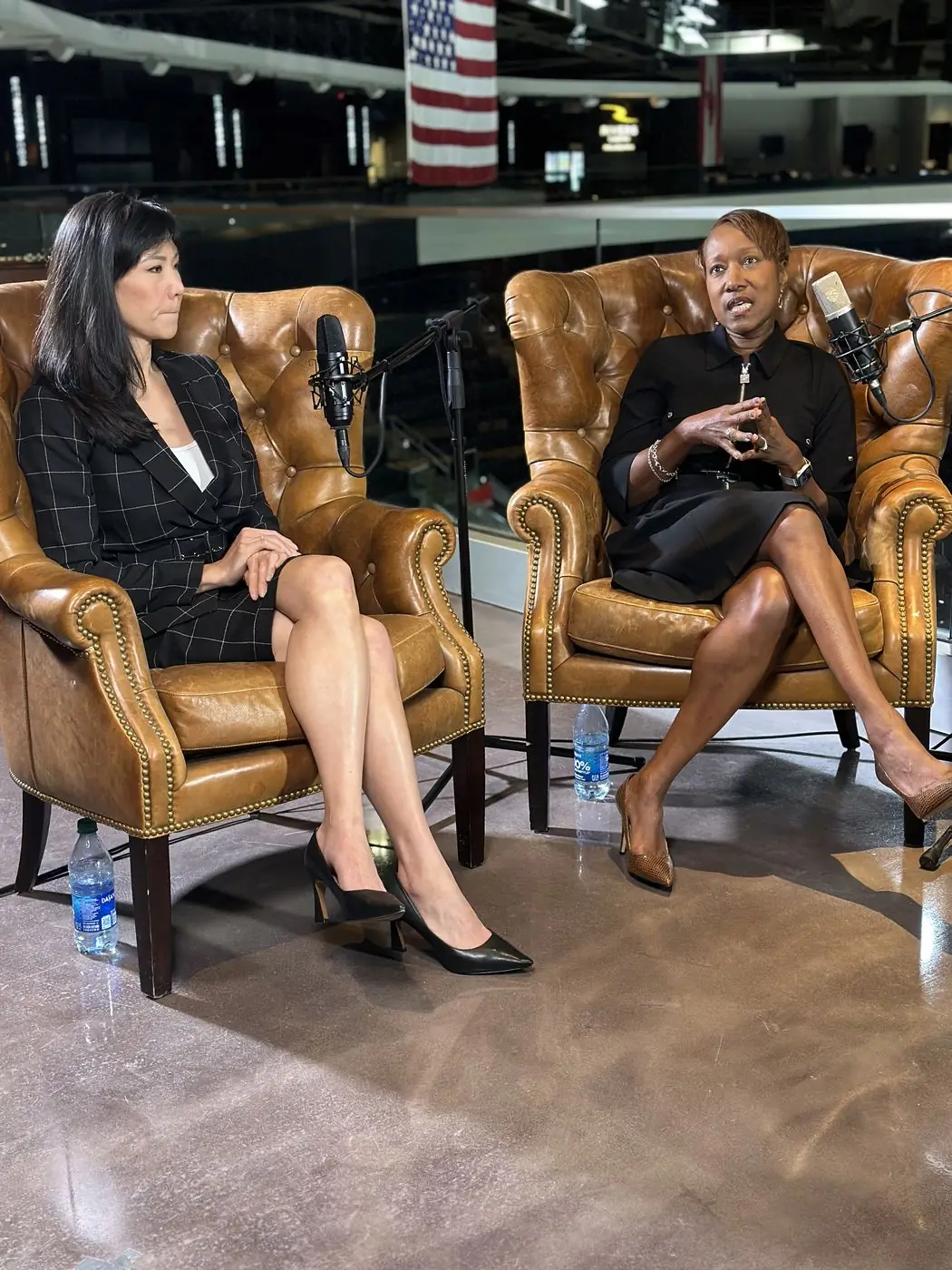
Business Insider reported on October 20 that The Wall Street Journal has been planning a push into streaming video. Internal documents described a six-series slate, including a live morning program and an interview show hosted by the paper's editor in chief, plus talks with outside creators. A person familiar with the plans said the details are still in flux, so I'm not treating any of it as final.
The direction is what matters. Organizations with real expertise don't only want an occasional corporate video. They want a recurring show that turns their experts into people the audience recognizes and comes back to. Universities, nonprofits, professional associations and companies all have those experts.
So we offer an Expert Series. One recurring host. Three episodes filmed in a single production day. A consistent set and look. One polished episode plus vertical clips from each shoot. Released monthly or quarterly. It's the same multi-camera setup we use for video podcast production, built around your people instead of a guest list. And for a university, it can grow out of the campus work we already do through our higher education video and AV service.
Campaigns are now shaping what AI chatbots say, so we package video for AI discovery
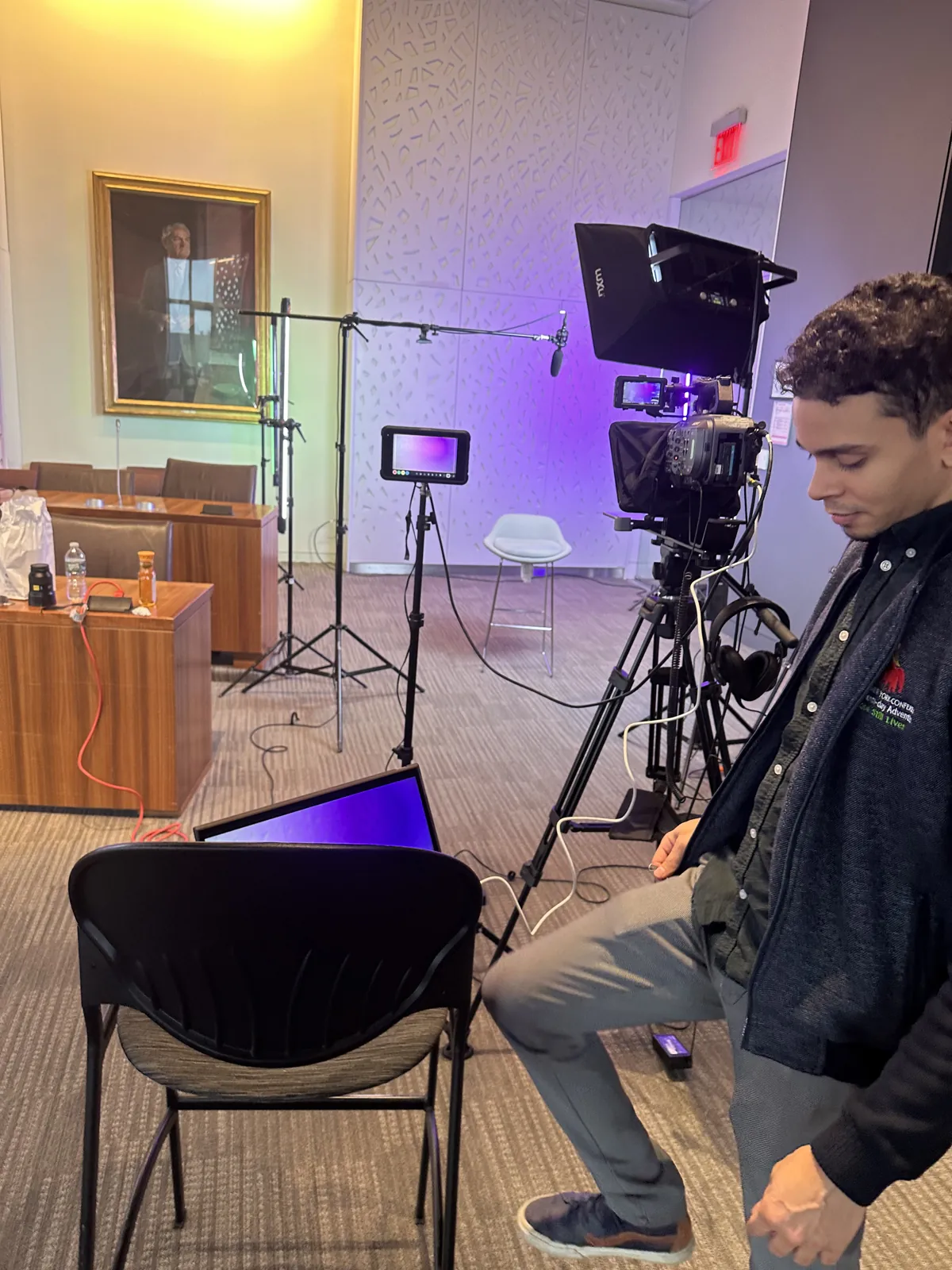
On October 26, Reuters reported that political campaigns are creating AI-friendly policy pages, YouTube and Reddit content and citations on sites that chatbots like ChatGPT, Claude and Gemini tend to draw from. They track how the chatbots answer and adjust their content until the answers match. The practice has a name now, generative engine optimization, or GEO.
Campaigns are the first to pay for it. Applying the same thinking to corporate and educational video is my own read, but I think it's a logical one. A beautiful film that has no transcript, a vague title and no page explaining what's in it is hard for an AI tool to understand. The knowledge is locked inside the video.
So for university and corporate films, we now offer AI-ready packaging. That means a full corrected transcript, a title written around the question the video answers, a detailed description, chapters with speaker names, a web page or article that summarizes the verified facts, and links to the sources that back them up. I wrote about the title side of this when YouTube brought its conversational search to phones. This takes it further.
The video services we're offering clients from here
Three things came out of this week. We sell the original production plus a controlled set of ad variations, so real footage keeps working after the first edit. We're pitching a recurring expert series to the universities, nonprofits and companies we already work with. And every film we make can ship with the transcript, chapters, verified facts and supporting page that help people and AI tools find it.
The tools will keep changing. The part that stays ours is the story, the people on camera and the judgment about what's worth making next.
Clients ask us these questions about AI ads, video testing and GEO
What is a "shoot once, test many" video package?
One production day that produces a master library of organized footage, three creative concepts and 10 to 20 short ad variations. We plan the versions before the shoot and review how they perform after launch.
Can AI tools replace a video production company?
AI tools are good at resizing, captioning and rearranging footage that already exists. They can't film a real interview, direct people on camera or decide what story is worth telling. We use automation where it saves time and keep the creative decisions with people.
What is generative engine optimization for video?
It means packaging a video so AI tools like ChatGPT, Claude and Gemini can understand and describe it accurately. That includes a corrected transcript, a clear question-based title, chapters, a detailed description and a supporting page with verified facts.
How does an expert video series work?
One recurring host, three episodes filmed in one production day on a consistent set, released monthly or quarterly, with a polished episode and vertical clips from each shoot.