How I Used ChatGPT, Grok and Claude to Research My Ballot, and Why They Gave Me Different Answers
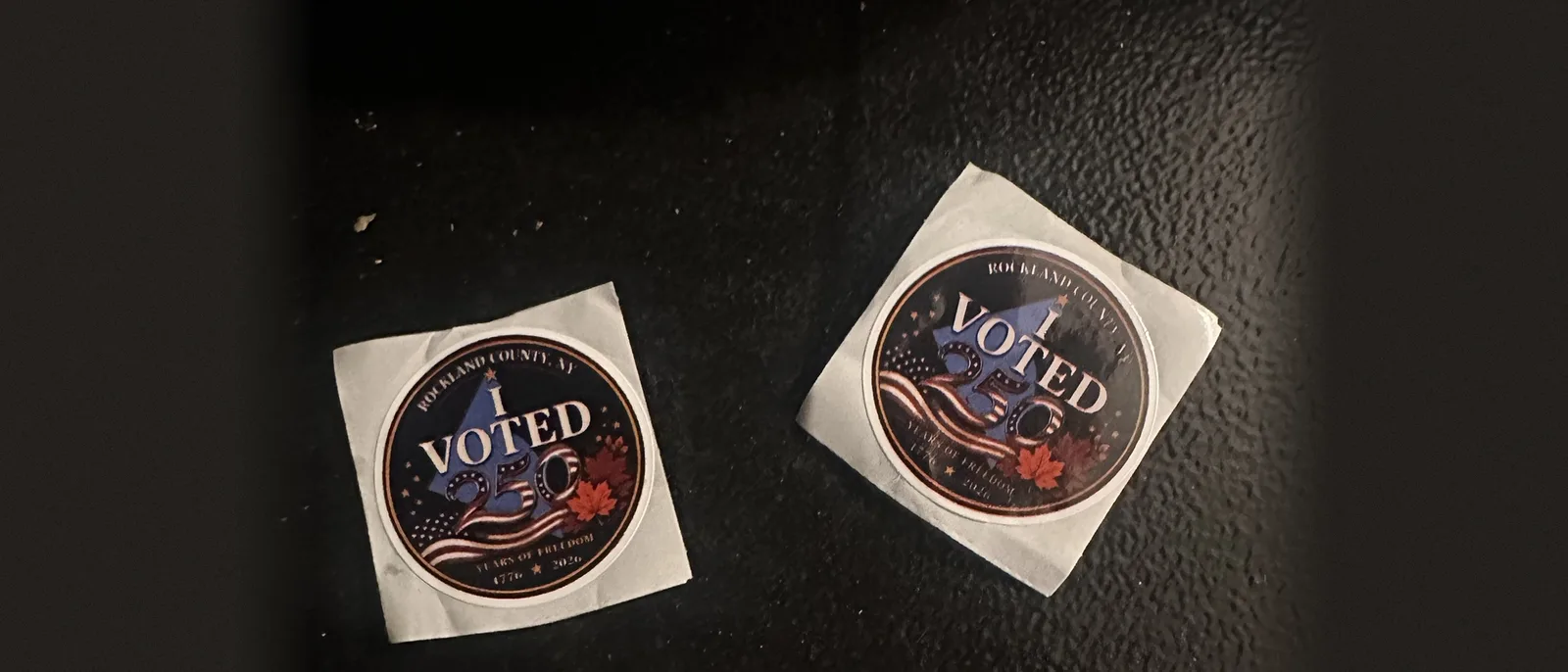
Photo by Transcendent Enterprise
I voted on Tuesday, November 3, here in Rockland County. The stickers this year say "I Voted" with a 250 for the country's 250th anniversary, and I brought two of them home.
I want to share how I got to my choices, because I did it a little differently this time.
My weeks are full. I run a video production company in New York City, and I'm building AL: The Show, an AI relationship coach for couples you can try at ALtheShow.ai. I also have a family, and the way I see it, family time is the new Bentley coupe. It's the real luxury. I can't spend it all reading candidate websites. I also can't skip the research and just pick names on a ballot. So I did what I do with most things in my business. I used AI to get what I needed faster.
Why I used AI to research the candidates on my ballot
I pay for ChatGPT, Grok and Claude, so I asked all three.
I asked them basically the same things. I live in Nyack. Who is running, and how can I get nonpartisan information about them? Based on my needs, who should I vote for? My needs are simple. I want safe streets, strong schools with good teachers, a clean community and a good place for kids to grow up. With Grok and Claude I also asked which candidates had supported a Black agenda.
I wasn't looking for a robot to vote for me. I wanted a head start so I could make my own decision with real information.
What Grok told me about my ballot
Grok gave me the most detail, race by race. It walked through governor, attorney general, comptroller, Congress, State Senate and State Assembly, with each candidate's own stated priorities, and it sent me to the state's voter lookup and the League of Women Voters' Vote411.
When I shared my priorities, it built a side-by-side on safety, schools, kids and keeping the community clean. It also told me what it couldn't find. No candidate had a stated position on teacher quality. On the Black agenda question, it said the clearest records were in the governor and State Senate races, it found little that was specific in the others, and it noted that the NAACP doesn't endorse candidates.
What Claude told me about my ballot
Claude started with the Rockland County Board of Elections' official candidate list and said so. It covered the statewide races, Congress, State Senate and the judges, and it told me my Assembly district and exact judicial races depended on my street address, so I should check my sample ballot. For research it pointed me to a newspaper voter guide, the League of Women Voters' candidate forums, Ballotpedia and the recorded debates.
When I gave it my priorities, it focused on the races with the most effect on them. For each side it laid out what the candidate says and what critics push back with, which I appreciated. It ended with a good question for me: do I weigh a candidate's track record in office or their proposed plans more heavily?
On the Black agenda question, it said it couldn't find any candidate in my races running on a dedicated Black agenda platform. It listed what each candidate had said or done that relates to Black communities and told me the best source was the Nyack NAACP branch's candidate forums, or simply calling the campaigns and asking.
What ChatGPT told me about my ballot
ChatGPT started at my front door. It opened with the Village of Nyack and said two village trustee seats were on the ballot, with both candidates unopposed. It explained that Nyack crosses the line between Clarkstown and Orangetown, so my town races depend on which side I live on. It also found two ballot propositions: Rockland County Proposition 1, a package of county charter changes, and Orangetown Proposition 2, a community preservation fund paid for with a 0.3% real estate transfer tax on buyers. It even worked out what that tax would cost on a $650,000 home.
It split what the evidence shows from what it doesn't. A grant announcement doesn't prove a project got finished, and more school aid doesn't automatically mean better teachers. What it didn't cover was the top of the ballot. No governor, no attorney general and no comptroller.
Why the three AI answers came out different
The biggest reason is that they read my question differently. When I said "who is running," Grok and Claude heard the big races. ChatGPT heard my village. All of those are fair readings, and each one missed something another caught.
They also don't search the same places, so they land on different pages. Claude anchored itself to the county's official list. Grok leaned on campaign sites, debate coverage and voter guides. ChatGPT leaned on village meeting records and town websites.
They also have different personalities. Grok was the most detailed. Claude was the most careful about showing both sides and telling me where to double-check. ChatGPT was the most local and the most focused on what the evidence can and can't prove.
So I checked the biggest gap. The two propositions ChatGPT found were real. Rockland County posted Proposition 1 on the county charter, and Orangetown posted Proposition 2 on the community preservation fund, including the 0.3% rate and the $100,000 exemption it used for the math. Neither Grok nor Claude mentioned them. If I had only used ChatGPT, though, I would have known nothing about the race for governor.
Two things all three agreed on. The Nyack school board, which has the most say over teachers, isn't elected in November. Grok and Claude both pointed out it's elected in May. And none of them would tell me who to vote for. They gave me the information and handed the decision back to me, which is where it belongs.
What I learned about using AI to vote
Use more than one tool. They have different strengths, and the gaps only show up when you compare them.
Ask follow-up questions with your real priorities. The first answers were general. The useful answers came when I told them what I care about.
Check the official source before you go. AI answers aren't tied to your exact address. Your sample ballot from the Rockland County Board of Elections or the state voter lookup is what you'll actually see.
Then make the call yourself. AI saved me hours. It didn't make my decision, and I wouldn't want it to.
Why your vote still matters when you're busy
This whole experience reminded me that you can make a difference even when it doesn't feel like you can. Most of us aren't going to run for office. We're busy raising kids, running businesses and living our lives. That's fine. What we can do is vote, and know who and what we're voting for.
Looking at the same ballot through three different AI tools actually made me a more informed voter. AI didn't replace my judgment. It helped me show up prepared, and showing up prepared is how regular people change things.
Questions people ask about using AI to research elections
Will ChatGPT, Grok or Claude tell you who to vote for?
In my experience, no. All three declined to recommend a candidate. When I shared my priorities, they compared where each candidate stood on those issues and left the decision to me.
Why do different AI chatbots give different answers about the same election?
They can read the question differently and search different sources. In my case, Grok and Claude focused on state and federal races, and ChatGPT focused on village, town and local propositions.
How do I see exactly what is on my ballot in Rockland County?
Check your sample ballot through the Rockland County Board of Elections or the New York State voter lookup. AI tools are a good starting point, but they aren't tied to your exact address.