Long-Form Instagram, AI Editing Agents and Streaming TV Ads: The Video Services We're Offering Now

Photo by Transcendent Enterprise
The clearest signal from this week's news is that basic editing, clipping and ad versioning keep getting cheaper and easier. Software is taking over that part of the job. So the value we bring has to come from original production, strong ideas, guiding the client and results we can measure.
Here's what happened, and the services we offer because of it.
Instagram is testing long-form video for TV, so we offer a two-format package
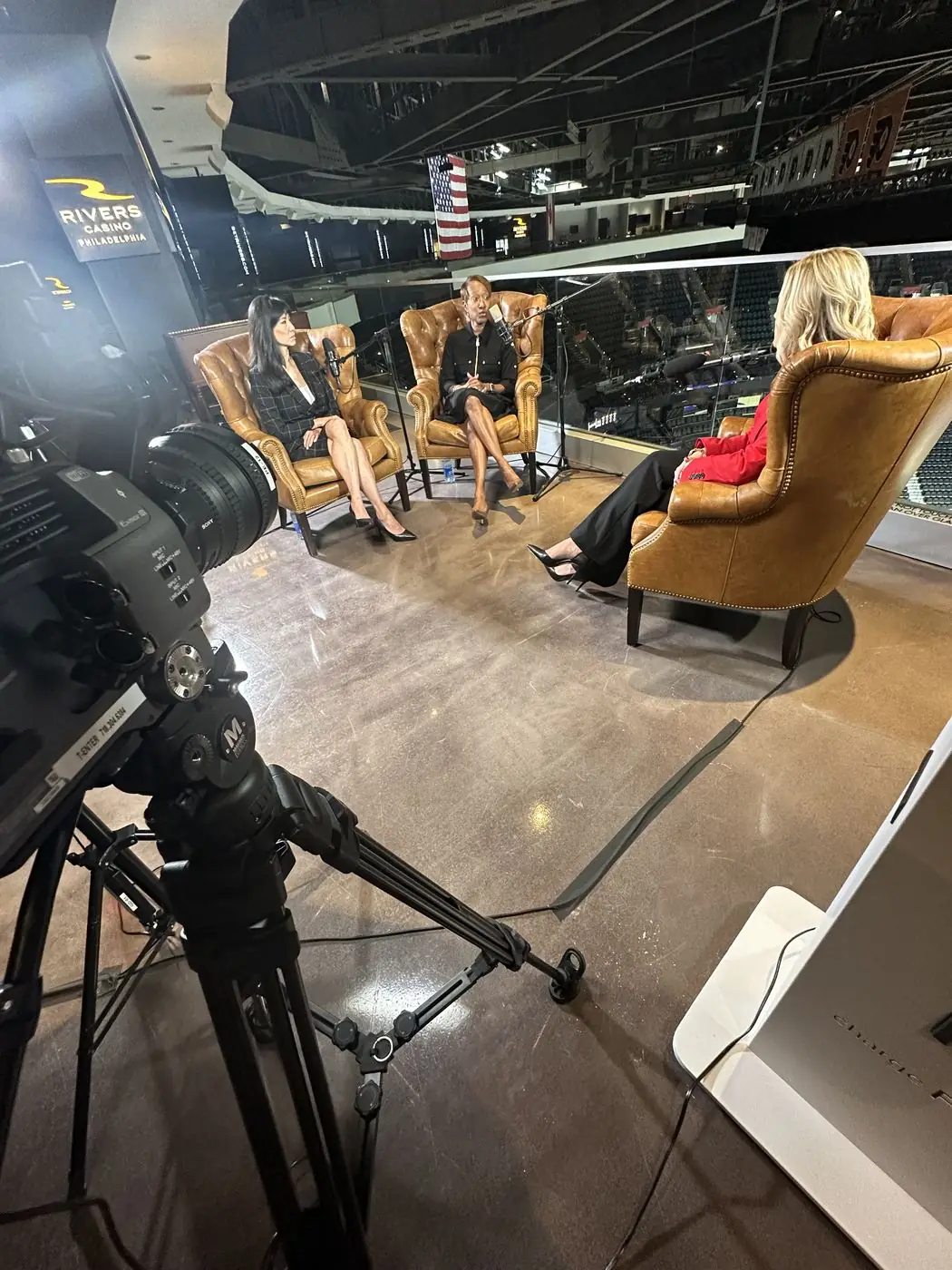
On October 26, Instagram started testing horizontal videos up to 90 minutes, called features. Right now only a few creators with individual deals with Meta can post them, and Instagram is pushing its TV apps so people can watch on a big screen. Instagram's head, Adam Mosseri, described the long videos and short Reels as working together. Someone who watches a podcast clip as a Reel might want the full episode on their TV. It's a limited test, not a full release.
What it tells me is that Instagram may stop being only a place for short vertical clips. A client's short videos could become trailers for a longer interview, documentary or podcast.
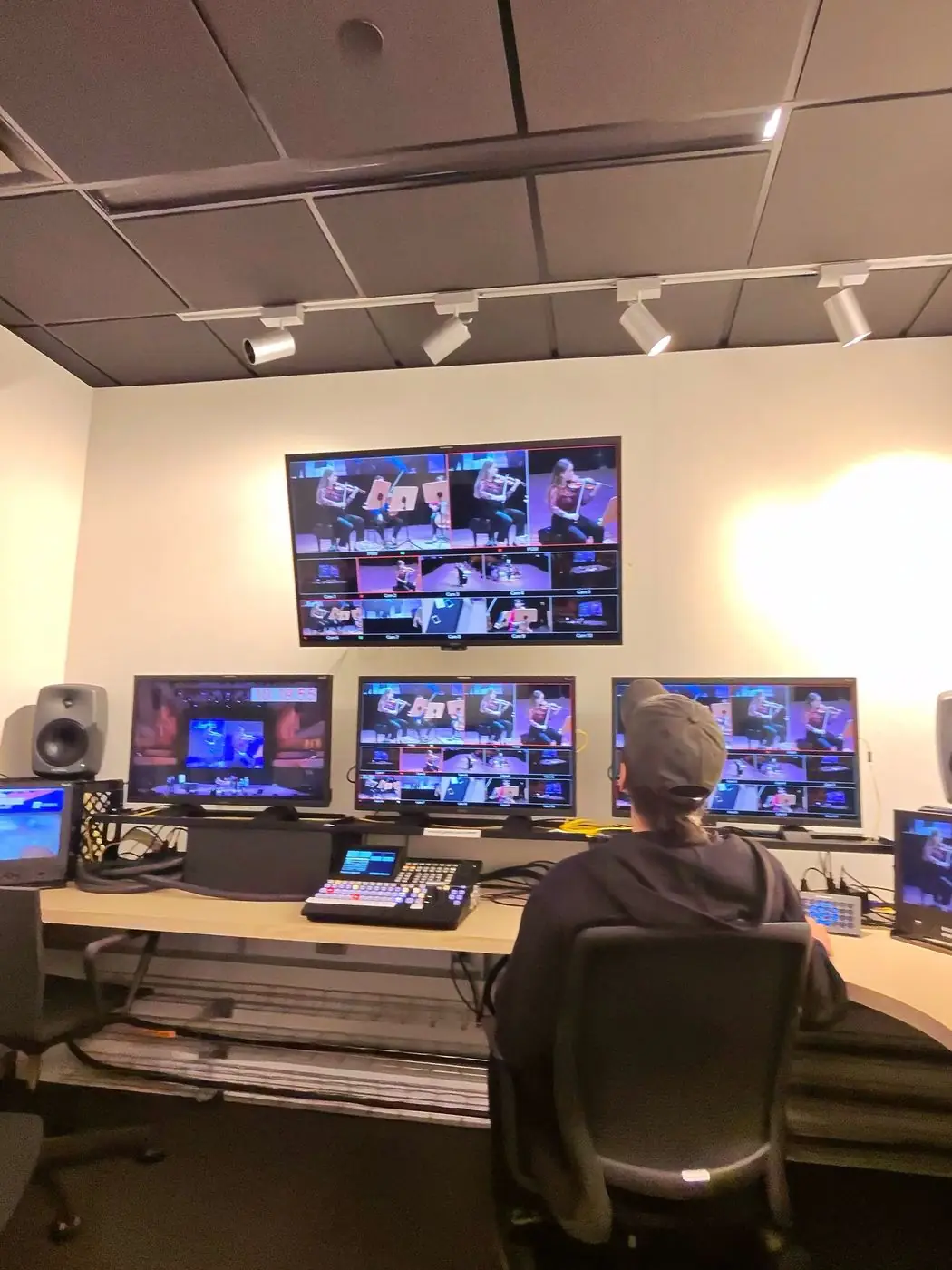
So we offer a two-format package. One polished horizontal episode of 8 to 20 minutes. Five or six vertical discovery clips cut from it. Sound and picture good enough for a TV screen. And versions for Instagram, YouTube, LinkedIn and the client's website. It fits the multi-camera setup we already use for video podcast production, and it pairs with the Expert Series I wrote about in Shoot Once, Test Many. We're building it now, but we won't promise Instagram long-form distribution while the platform is still testing it with a small group of creators.
Podcast editing is being automated, so we sell what software can't do
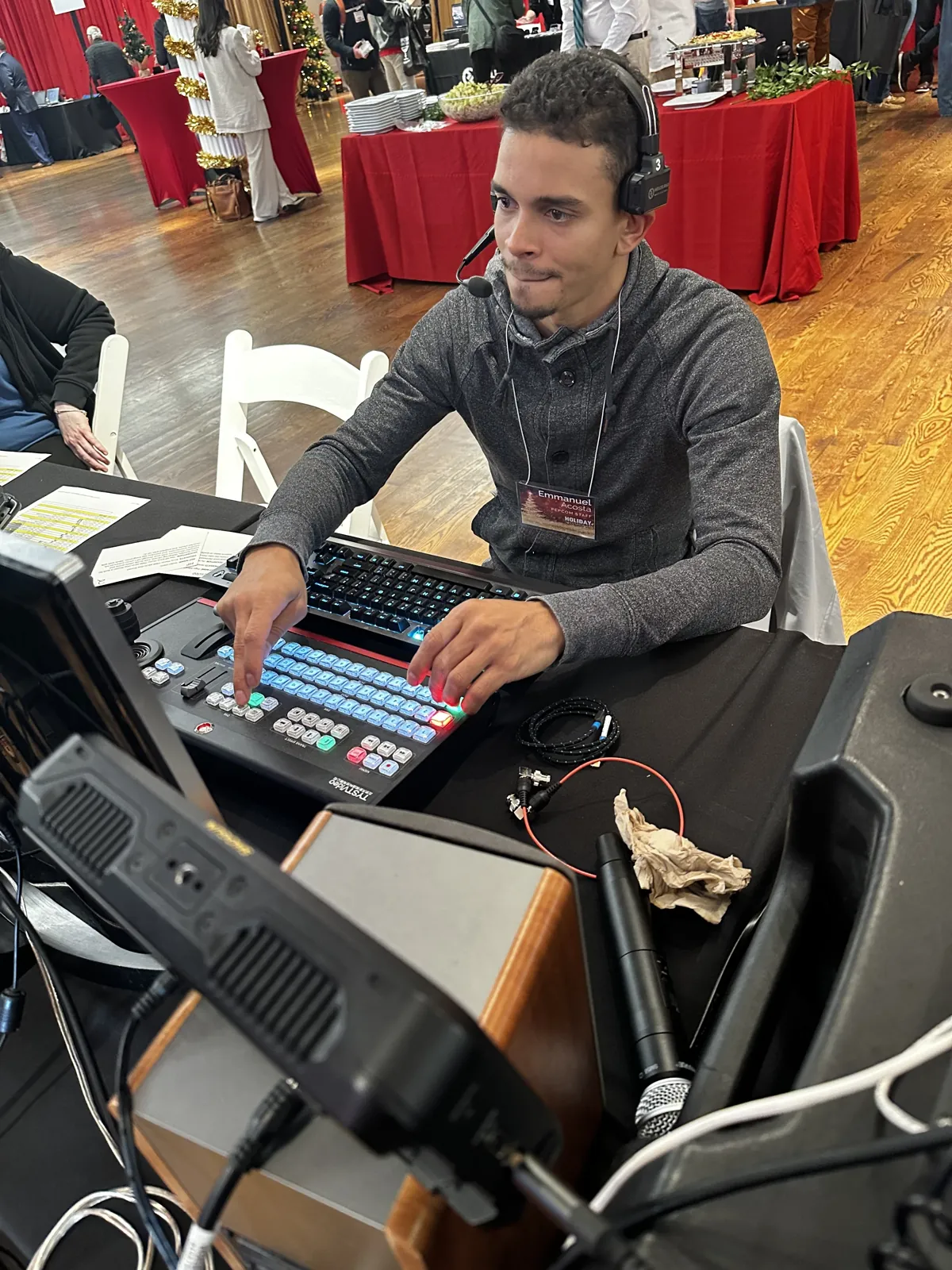
Riverside rolled out a team of AI agents on October 26. A Producer agent preps the session, an Editor agent builds an editing plan for the episode, a Clipper agent finds moments for social media, and a Marketer agent writes captions and show notes and schedules posts. Riverside says nothing goes out without the user's sign-off.
That means clients will be able to record and process a basic talking-head show on their own more easily. Charging mainly for cutting pauses, adding captions and making clips is going to get harder, and I'd rather say that out loud than pretend it isn't happening.
So we lead with the parts software can't do reliably. The show concept and episode plan. Coaching guests before they sit down. Professional lighting, sound and camera direction. Strong story and editorial judgment. Consistent production management from episode to episode. And a look at how each episode performed after it's published. We're also going to test Riverside on one internal recording and compare its time, quality and mistakes against our normal process. Until we've done that, its claims are the vendor's claims.
AI tools can now build and publish ad variations, so we price original production and versioning separately
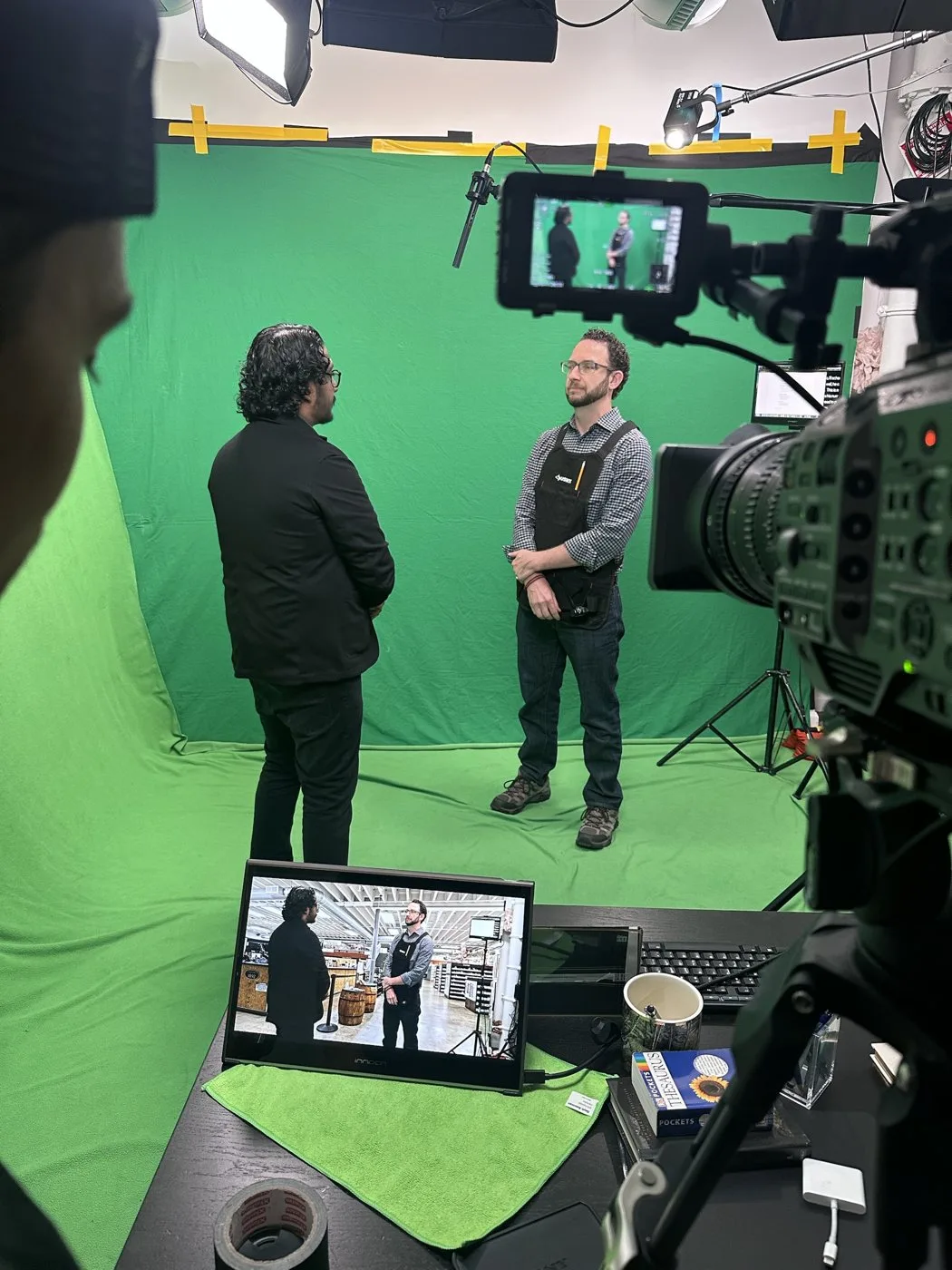
On October 27, Runway made Runway Ads available on every paid plan. It connects to Meta, Google and TikTok ad accounts, shows which ads are working, generates new variations of the winners, resizes and localizes them, and publishes the ones someone on the team approves. Runway says its own marketing team grew from under 100 ads a week to roughly 1,000 with the same staff. That's the company's own number, not an independent result.
The meaning is simple. Clients won't keep paying production-company rates for every new aspect ratio, product swap or small variation. Software is turning that work into a low-cost service.
So we're splitting our proposals into two parts. The first is original campaign production: the concept, filming, interviews, performances and the hero edit. That's where our experience matters most, and it's priced that way. The second is content scaling: extra versions, platforms, languages and test variations. We use automation there to deliver more for less. Each proposal will include a set number of versions, with a per-version or monthly option after that, so everyone knows what's included before the shoot. It builds on the Shoot Once, Test Many package we launched last week.
Streaming TV ads converted better in a new study, so we offer a connected TV option
iSpot's third-quarter report, released October 26, found that streaming TV ads averaged a 3.49% conversion rate, compared with 0.69% for traditional TV. The report compared the top 50 streaming apps with 187 linear channels, and the conversion numbers come from a sample of 30 brands. Every one of those brands converted at a higher rate on streaming, but half of them still got more total conversions from traditional TV. So this is a useful signal, not proof that streaming will beat TV for every client.
What it does show is that a commercial made for TV can now run on streaming services with tighter targeting and better measurement. That puts real TV advertising within reach of organizations that could never justify a traditional broadcast buy.
So we now offer a connected TV option for the right campaigns. Fifteen- and thirty-second versions. A clear offer with a trackable link or QR code. Companion vertical ads. A landing page for the campaign. And reporting tied to leads or conversions. For a regional client already spending on digital ads, we'd suggest a small streaming test before anything bigger. It's the same corporate video production we already do, cut and delivered for a different screen.
New York requires disclosure of AI-generated performers in ads, so we're adding an AI checkpoint
New York's synthetic performer law took effect June 9, 2026. It requires a conspicuous disclosure when an ad shown to New York consumers features a synthetic performer, meaning an AI-generated person who isn't a real, living individual. According to this legal breakdown, the duty falls on whoever produces or creates the ad when they know a synthetic performer was used, and that can include the production company, not only the brand. Penalties are $1,000 for a first violation and $5,000 for each one after that, according to Crowell & Moring's summary.
For us, that means a client signing off on an ad with an AI-generated person may not be enough. The ad itself may need an on-screen disclosure.
So we're adding three questions to the start of every ad job. Was any human face, body or voice generated with AI? Is that person fictional or based on a real individual? And who is responsible for the disclosure and the talent permissions? We'll log every synthetic face or voice, its permission status and the disclosure before delivery, and we're having counsel review the final policy and contract language. It's part of how we handle AI animated video and any AI work we deliver.
The video services we're offering clients from here
Three things came out of this week. We're offering a two-format package built around one strong horizontal program and vertical clips that point people to it. We're pricing original production and strategy separately from versions and resizing, which software is making cheap. And we're adding an AI compliance checkpoint so every synthetic face or voice is recorded, permitted and disclosed before anything ships.
The tools will keep getting faster. The idea, the people on camera and the judgment about what's worth making are still ours to deliver.
Clients ask us these questions about long-form video, AI editing and streaming ads
Can I post 90-minute videos on Instagram now?
Not yet for most accounts. As of late October 2026, Instagram is testing horizontal videos up to 90 minutes with a small group of creators who have deals with Meta. We plan long episodes so they work on YouTube, LinkedIn and your website today, and on Instagram if the feature opens up.
If AI can edit my podcast, why hire a production company?
AI tools can cut pauses, write captions and pull clips from a recording you already have. They can't plan the show, coach your guests, light and mic the room properly or decide what story is worth telling. That's where we spend our time.
Is streaming TV advertising worth it for a smaller organization?
It can be. Streaming lets you target and measure in ways traditional TV doesn't, and a recent iSpot study found higher conversion rates on streaming. Results vary by brand, so we recommend starting with a small, trackable test.
Do AI-generated people in ads need a disclosure in New York?
Yes, in many cases. Since June 9, 2026, New York has required a conspicuous disclosure when an ad shown to New York consumers features an AI-generated synthetic performer. We check for it on every ad job, and counsel is reviewing our policy.